AT&T, T-Mobile, and Verizon will work together to improve coverage for all of their customers
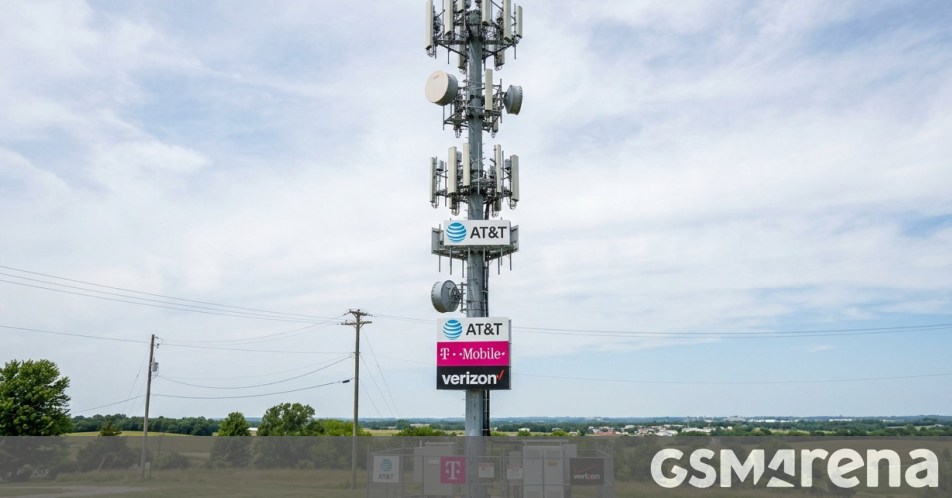
Goodbye Dead Zones: The Big Three Carriers Team Up for Satellite Connectivity
We’ve all been there: you’re out on a scenic hike or driving through a rural stretch of highway when your signal bars suddenly vanish. It’s one of the most frustrating quirks of modern life, but AT&T, T-Mobile, and Verizon are finally joining forces to make those “No Service” notifications a thing of the past.
In a rare moment of industry-wide cooperation, the three major U.S. carriers have announced a massive joint venture. The goal is simple but ambitious: use satellite-based technology to bridge the coverage gaps that traditional cell towers just can’t reach. By pooling their resources and investment into direct-to-device satellite tech, they’re aiming to provide a safety net for customers in even the most remote corners of the country.
How This Changes the Game for You
Traditionally, if you were outside the reach of a physical cell tower, you were out of luck. This new partnership shifts the focus to the sky. By leveraging satellite-to-cell technology, your phone will be able to connect directly to satellites when terrestrial networks fail. Here is what this means for the average user:
- Seamless Transitions: Your phone should automatically switch to satellite backup when you leave a coverage area.
- Safety First: Essential communication becomes possible in emergency situations, even in deep wilderness.
- Unified Standards: By working together on industry specifications, the carriers ensure that the tech works smoothly across different devices and platforms.
A Unified Front for Better Signal
While these companies usually spend their time competing for your monthly bill, this “collaborative approach” is about shared infrastructure. By combining their terrestrial spectrum with satellite IP, they are creating a massive, unified platform. This isn’t just about adding a few more bars to your phone; it’s about creating a more reliable network for everyone, regardless of which carrier you pay every month.
Now, for the reality check: this is currently an “agreement in principle.” You won’t see 100% nationwide coverage overnight. However, it signals a major shift in how the telecom industry views connectivity. Instead of fighting over who has the best map, they are finally working to make sure the map doesn’t have any holes left. If this venture succeeds, the dreaded “dead zone” might soon become a relic of the past.
About The Author