Wear OS 7 unveiled with widgets, Live Updates, improved battery life
Google I/O 2026: Wear OS 7 Is Turning Smartwatches Into Tiny Powerhouses
Google just pulled the curtain back on Wear OS 7 at I/O 2026, and it’s clear they aren’t just looking to tweak the interface—they want to change how we actually use our watches. Based on the foundations of Android 17, this latest update brings a suite of features like dynamic widgets, real-time updates, and a serious injection of Gemini Intelligence to the wrist.
Battery Life Gets a Welcome Boost
Let’s start with the news everyone actually cares about: battery life. Google is promising up to a 10% improvement in efficiency for devices jumping from Wear OS 6 to Wear OS 7. While 10% might not sound like a revolution, in the world of daily charging, every bit of extra juice matters for getting through a long day and a night of sleep tracking.
A More Personalized Interface: Widgets and Live Updates
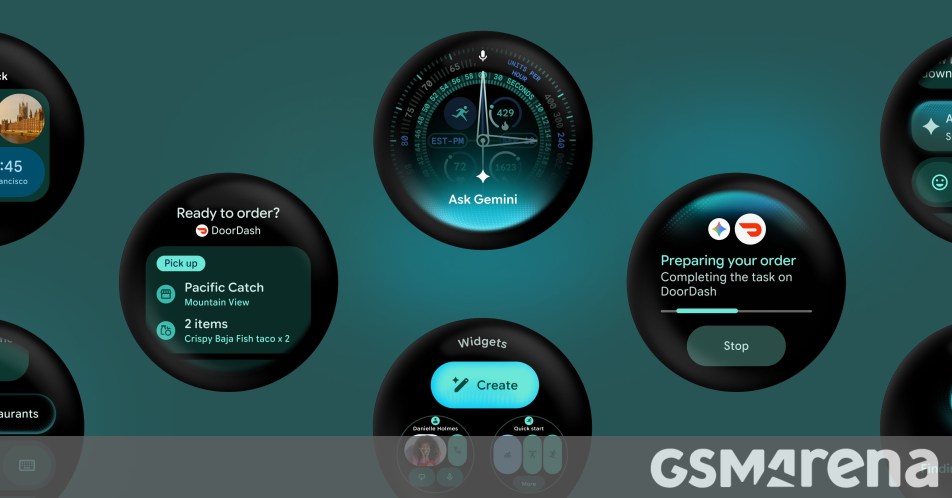
The standout visual change is the arrival of Widgets. Taking a page out of the Android smartphone playbook, Wear OS 7 introduces flexible 2×1 and 2×2 widget layouts. This means you can finally customize your tiles with more dense, actionable information without having to dive deep into an app.
Alongside widgets, Live Updates will keep you in the loop in real-time. Whether you’re tracking an Uber’s arrival or checking a sports score, the information stays current right on your dashboard, saving you those extra taps and swipes.
Smarter Media Controls and Automation
Google has also overhauled how the system handles media. The new media controls offer per-app auto-launch settings—so your watch doesn’t automatically start playing music the moment you open a specific app unless you want it to. Plus, the Remote Output Switcher makes routing audio between your watch, phone, and earbuds smoother than ever.
The Power of Gemini Intelligence
The real heavy lifting is being done by Gemini Intelligence. Google is bringing its advanced AI capabilities to select high-end smartwatches later this year. Thanks to the new App Functions API, developers can now build ‘agentic’ experiences. Imagine telling your watch to ‘Order my usual from DoorDash,’ and having the device handle the transaction and tracking without you touching a screen. It’s that level of task automation that makes Wear OS 7 feel like a leap forward.
For the Fitness and Design Enthusiasts
Fitness buffs will appreciate the new Wear Workout Tracker, a standardized framework designed to provide a more consistent experience across various health apps. On the aesthetic side, support for Watch Face Format v5 is now standard, giving designers more tools to create beautiful, battery-efficient faces that don’t compromise on functionality.
Release Timeline
If you’re a developer itching to get your hands on the new software, you can start testing immediately via the Wear OS 7 Canary Emulator. For the rest of us, Google expects to begin rolling out Wear OS 7 to compatible devices and new flagship hardware later this year.
About The Author