TSMC’s Breakthrough Packaging Tech to Deliver Cheaper, Faster Chips for Your Devices
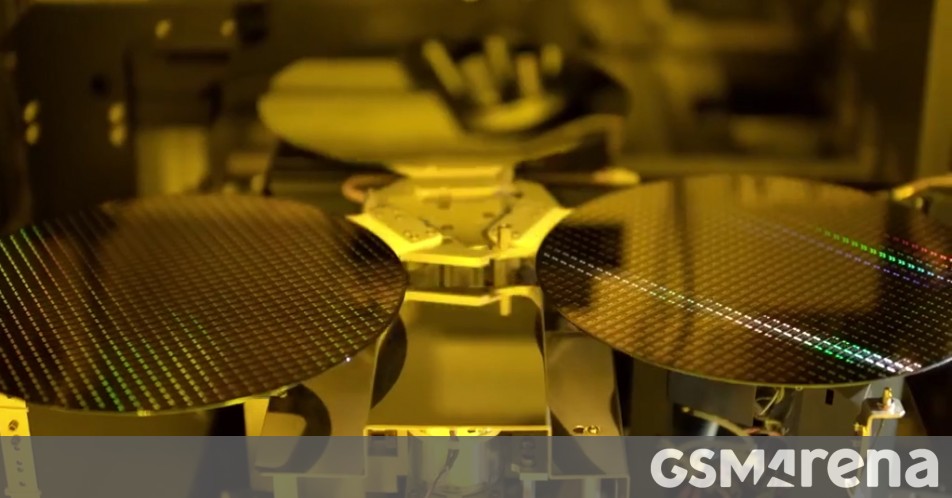
TSMC’s CoPoS: The Future of High-Performance Chips is Glass-Backed
The semiconductor world is buzzing with news that TSMC is developing a game-changing packaging technology known as CoPoS—short for Chip-on-Panel-on-Structure. This isn’t just another incremental update; it’s a fundamental shift in how chips are assembled, utilizing glass as a key component in a sophisticated three-layer sandwich structure.
By swapping out traditional materials for glass, TSMC aims to tackle two of the biggest hurdles in modern tech: cost and heat. The move to glass substrates is expected to significantly improve performance while making the manufacturing process more efficient. While we’re still a few years away—mass production isn’t expected until the end of 2028—the implications are already shaking up the industry.
Nvidia is reportedly already in the driver’s seat to be the first customer. Their next-gen Feynman AI chipset is expected to be the debut platform for CoPoS, highlighting just how critical this tech will be for the future of artificial intelligence and high-performance computing. When the world’s leading AI chip designer bets this heavily on a new packaging method, you know it’s a big deal.
If CoPoS lives up to the hype, it will likely cement TSMC’s position as the undisputed king of chip fabrication. It forces competitors to choose: innovate with a similar glass-based solution or risk being left behind in a market where efficiency and speed are everything. For tech enthusiasts and industry watchers alike, 2028 is looking like a major turning point.
About The Author





