Critical Security Warning: Unpatchable Flaw Found in Multiple iPhone Models

Is Your iPhone at Risk? Understanding the ‘usbliter8’ Security Flaw
If you’re rocking an older iPhone or Apple Watch, you might want to pay attention. Security researchers at Paradigm Shift have recently pulled back the curtain on a significant hardware vulnerability affecting a wide range of Apple devices. Dubbed “usbliter8,” this flaw targets the USB controller within specific Apple silicon chips, and unfortunately, it’s not something a simple software update can fix.
Which Devices Are Affected?
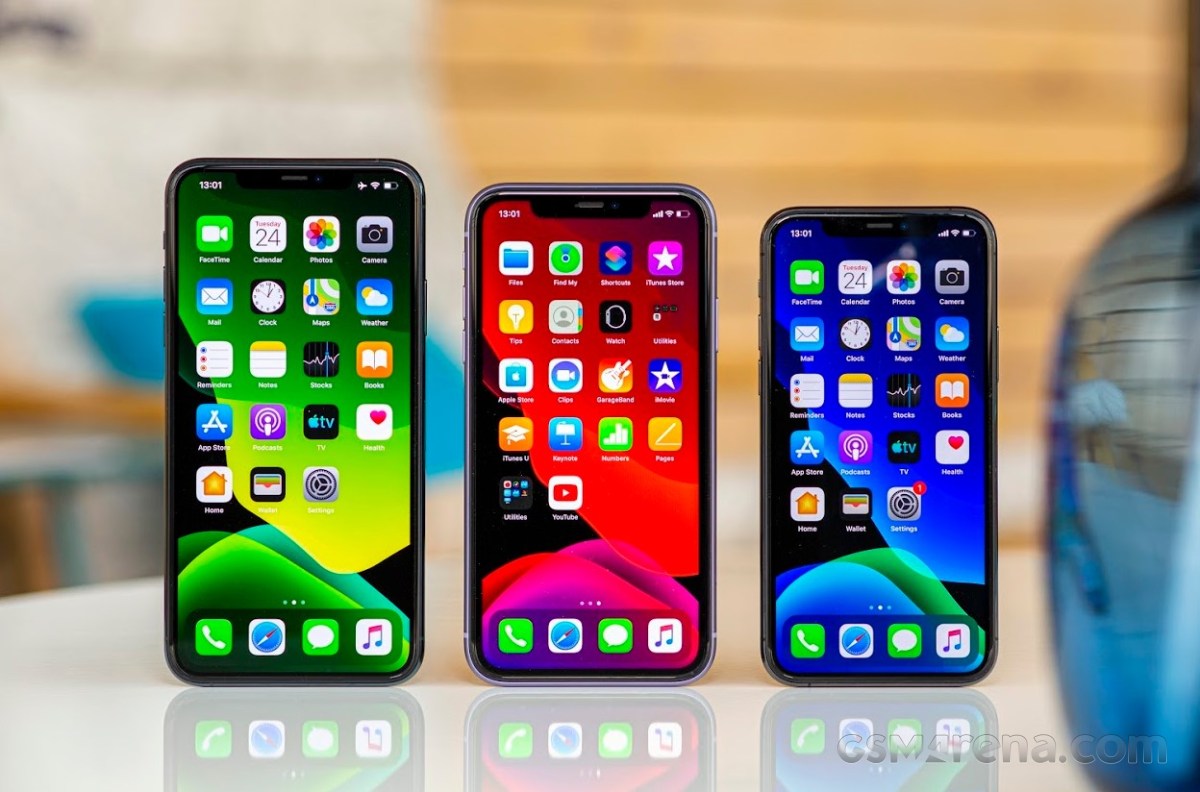
The vulnerability impacts devices running on A12, A13, S4, and S5 chips. This covers a surprisingly broad list of hardware, including:
- iPhones: iPhone XR, XS, XS Max, 11, 11 Pro/Pro Max, and the original iPhone SE.
- iPads: iPad Air 3, iPad mini 5, iPad 8, and iPad 9.
- Wearables & Accessories: Apple Watch Series 4, Series 5, Apple Watch SE, the second-gen Apple TV 4K, and the Studio Display.
What Does This Mean for You?
The core of the problem lies in a hardware bug that makes the device’s USB configuration vulnerable while in DFU (Device Firmware Update) mode. By sending specific data packets through the USB port, an attacker could theoretically confuse the controller, causing it to write data to the wrong memory location. This allows for the injection of custom code before the operating system even finishes booting, effectively bypassing Apple’s signature checks.
The silver lining: This is not a remote hack. An attacker must have physical access to your device to exploit this vulnerability. Furthermore, your most sensitive data—the stuff stored in the Security Enclave, like your passcodes and biometric data—remains safely tucked away and unaffected by this particular exploit.
Should You Panic?
Not necessarily. While the flaw is technically “unpatchable” due to its hardware nature, it’s highly situational. Apple has been working with the research team to understand the implications. Because the vulnerability requires physical possession of the hardware, the risk is minimal for most everyday users.
However, if you are concerned about long-term security, researchers suggest that moving to a newer device is the only definitive way to close this door entirely. It’s a classic hardware limitation: sometimes, when a flaw is built into the silicon, there’s only so much software can do to bridge the gap.
About The Author