Poll: Are You Planning to Buy the New Nothing Phone (4b)?
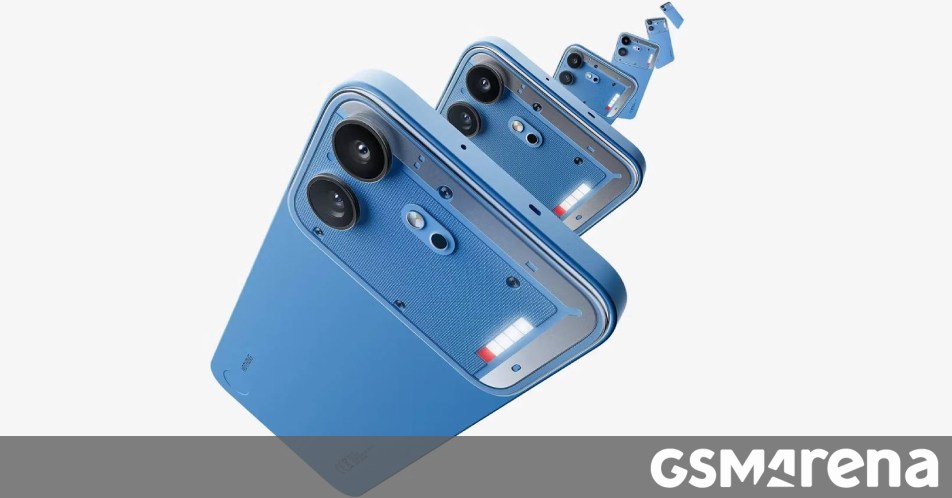
Is the New Nothing Phone (4b) Actually Worth Your Cash?
It’s no secret that Nothing is tightening its belt. Since the start of the year, the company has made some bold pivots—like confirming there won’t be a flagship in 2026 and scrapping the CMF Phone 3 Pro. Now, the spotlight is firmly on their mid-range lineup, specifically the newly announced Nothing Phone (4b).
But does this latest arrival make sense for your wallet? Let’s break down how it stacks up against its sibling, the Phone (4a).
Pricing at a Glance (8/128GB Models)
While the (4b) sits at a more accessible price point than the (4a), it’s not quite as budget-friendly as the (3a) Lite. Here’s how the pricing currently breaks down:
| Region | (3a) Lite | (4b) | (4a) |
|---|---|---|---|
| EU | €250 | €330 | €350 |
| UK | £250 | £300 | £380 |
| India | – | ₹35,000 | ₹40,000 |
It’s worth noting that region can change your experience. For instance, the Indian version of the (4b) packs a beefier 6,000mAh battery compared to the 5,200mAh global variant. Meanwhile, UK buyers face an £80 jump to get to the (4a), which feels like a significant hurdle for what you gain.
The Trade-offs: Is it a Downgrade?
Nothing is marketing the (4b) as their longest-lasting device yet, but that longevity comes with some noticeable compromises. If you opt for the (4b) over the (4a), you are giving up:
- Camera quality: The main sensor is smaller, and you lose the dedicated telephoto lens found on the (4a).
- Performance: It uses the Snapdragon 6 Gen 4 chipset, paired with slower RAM and storage compared to the (4a)’s more robust configuration.
- Display: The screen is dimmer and lower resolution, protected by less durable glass.
The Competition is Stiff
When you look at the wider market, the (4b) finds itself in a tough spot. A Poco X8 Pro offers faster performance and a larger battery for a similar price. If you prefer a more refined software experience, the Samsung Galaxy A57 is a serious contender—it’s priced similarly and offers a much better long-term support promise (6 years of updates versus Nothing’s 3).
Even the Honor Magic8 Lite gives you a massive battery and a higher durability rating for less money. At the end of the day, the Nothing Phone (4b) has a unique aesthetic, but when stacked against the competition, the spec sheet makes it a tricky sell. What do you think—is the Nothing design language enough to win you over, or would you rather have the specs of the competitors?
About The Author