US Carriers Unite Against Copper Theft to Protect Your Internet Connection
The Battle for Our Broadband: Why Major Carriers Are Teaming Up Against Infrastructure Theft
Imagine waking up to a completely dead internet connection. No emails, no streaming, and—more importantly—no way to reach emergency services. For millions of Americans, this isn’t just a minor technical glitch; it is an increasingly frequent reality caused by physical theft and vandalism. A recent report from the Internet & Television Association (NCTA) reveals a startling trend: there have been 18,327 incidents of network interference that have left nearly 12 million people offline. This averages out to roughly 50 incidents every single day, marking a 59% increase since 2024.
The Industry Strikes Back
In response to this growing threat, the nation’s three largest carriers—AT&T, T-Mobile, and Verizon—have joined forces under the STRIKE initiative. This acronym stands for Strategic Threat Response & Infrastructure Knowledge Exchange. The goal is simple but vital: create a unified front where service providers can share data and coordinate better ways to protect the physical backbone of our digital world. When the ‘Big Three’ team up like this, you know the situation has reached a critical tipping point.
Copper Scrapping vs. Senseless Vandalism
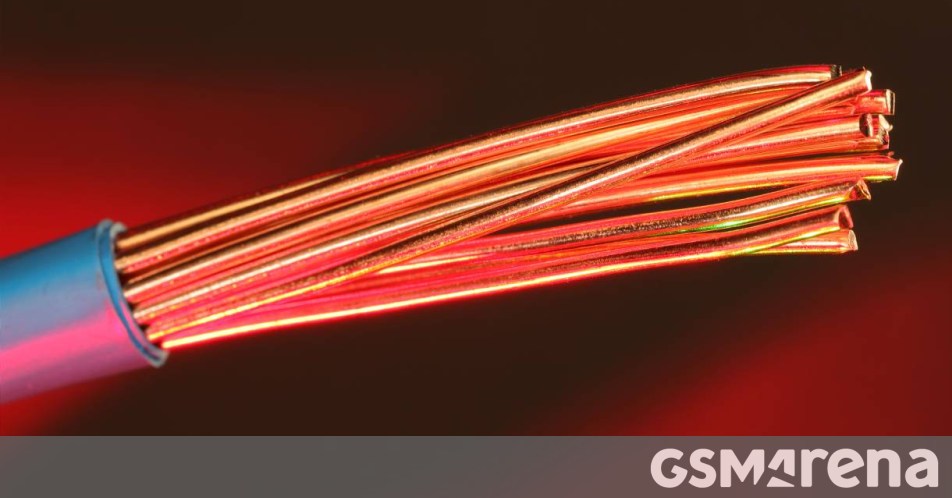
Why is this happening? Most of the time, the motive is financial. Older infrastructure relies heavily on copper, which thieves cut out and sell for its metal value. However, fiber optic cables are also being targeted. Unlike copper, fiber has no resale value, making these acts pure vandalism. Because these outages often cripple hospitals, schools, and 911 dispatch centers, many industry leaders are now pushing for these crimes to be reclassified as acts of terrorism rather than simple theft.
A Catalyst for Fiber Upgrades
If there is any silver lining to this crisis, it’s that the surge in attacks is accelerating the death of outdated technology. Much of the nation’s copper infrastructure was laid decades ago and has been struggling to keep up with modern demands. Since fiber optics are useless to scrap dealers and offer significantly higher speeds, carriers are using this as an opportunity to phase out copper entirely. In the long run, this transition should lead to a more secure, resilient, and much faster internet for everyone. You can find the original data in the NCTA’s full report.
About The Author





