The Ferrari Luce will have Samsung OLED displays with holes and stacked design
The Ferrari Luce: When Jony Ive Meets Samsung Display
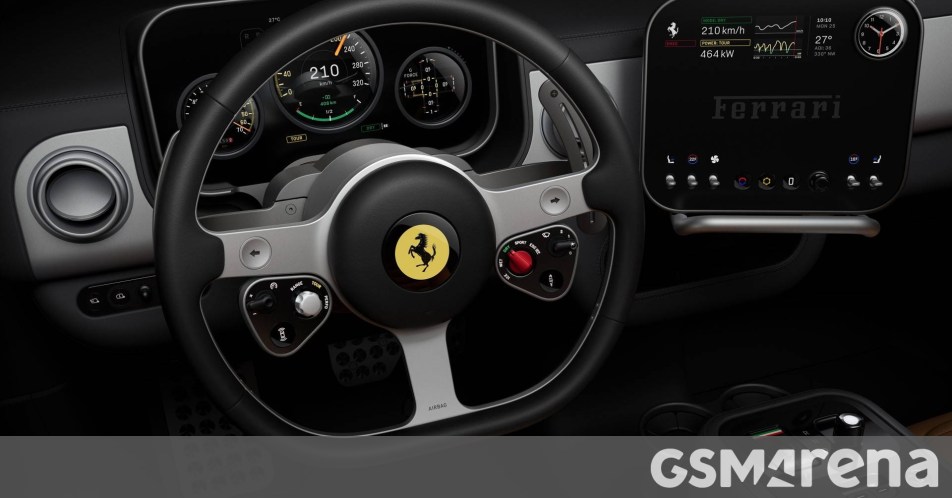
By now, the buzz surrounding the Ferrari Luce has likely reached your ears. It’s not just another supercar; it’s a high-speed collaboration between the Prancing Horse and Sir Jony Ive, the design mastermind who shaped the look of modern Apple products before founding LoveFrom. While the exterior is a minimalist dream, the interior is where things get truly fascinating, thanks to a deep partnership with Samsung Display.
Ive’s vision for the Luce involves a seamless blend of old-school tactile feel and cutting-edge digital tech. To pull this off, Samsung is supplying four different OLED panel sizes: 12.9-inch, 12-inch, 10.1-inch, and 6.3-inch. At a price tag of roughly €550,000, you’d expect something more than just a few tablets glued to a dashboard—and Ferrari has certainly delivered something more complex.
Analog Soul, Digital Heart: The HIAA Innovation
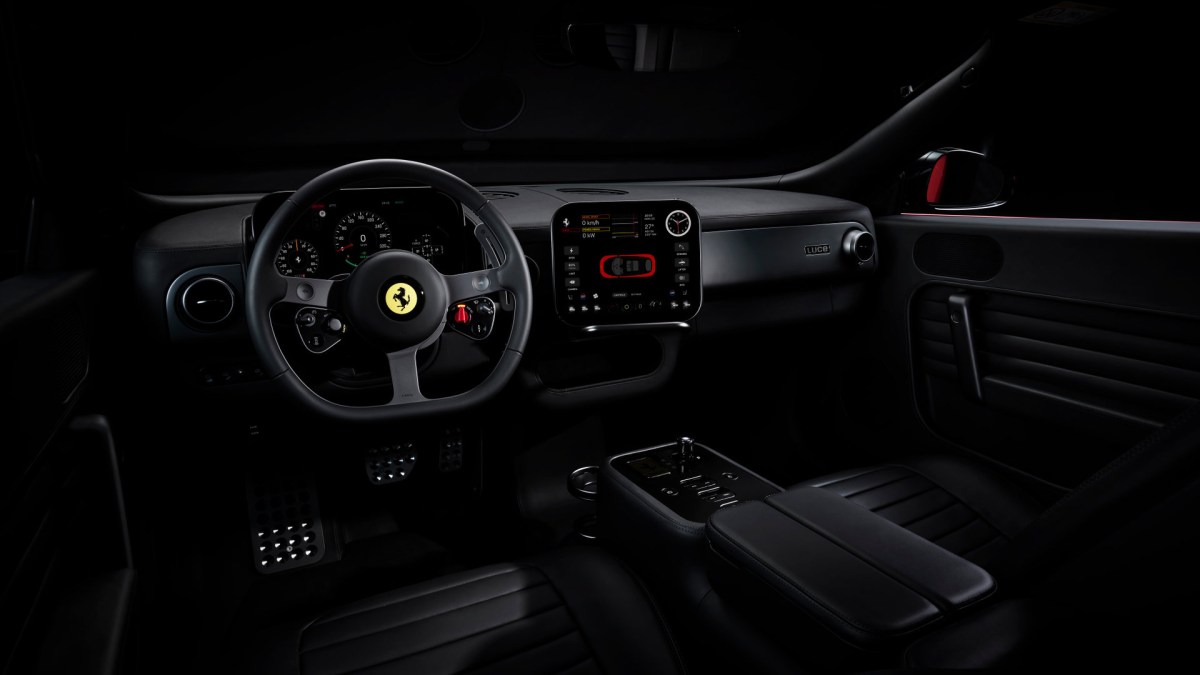
The most striking feature of the Luce’s cockpit is the instrument cluster (or binnacle). Instead of a flat, lifeless screen, you’ll find physical needles poking right through the glass. This is made possible by Samsung’s Hole In Active Area (HIAA) technology.
If that sounds familiar, it’s because it’s the same tech used for selfie cameras in smartphones. However, while a phone camera hole is usually about 5mm, the openings in the Luce’s binnacle are roughly 20 times larger. This allows physical hardware to pass through the digital display without breaking the visual flow.
A Three-Dimensional Dashboard
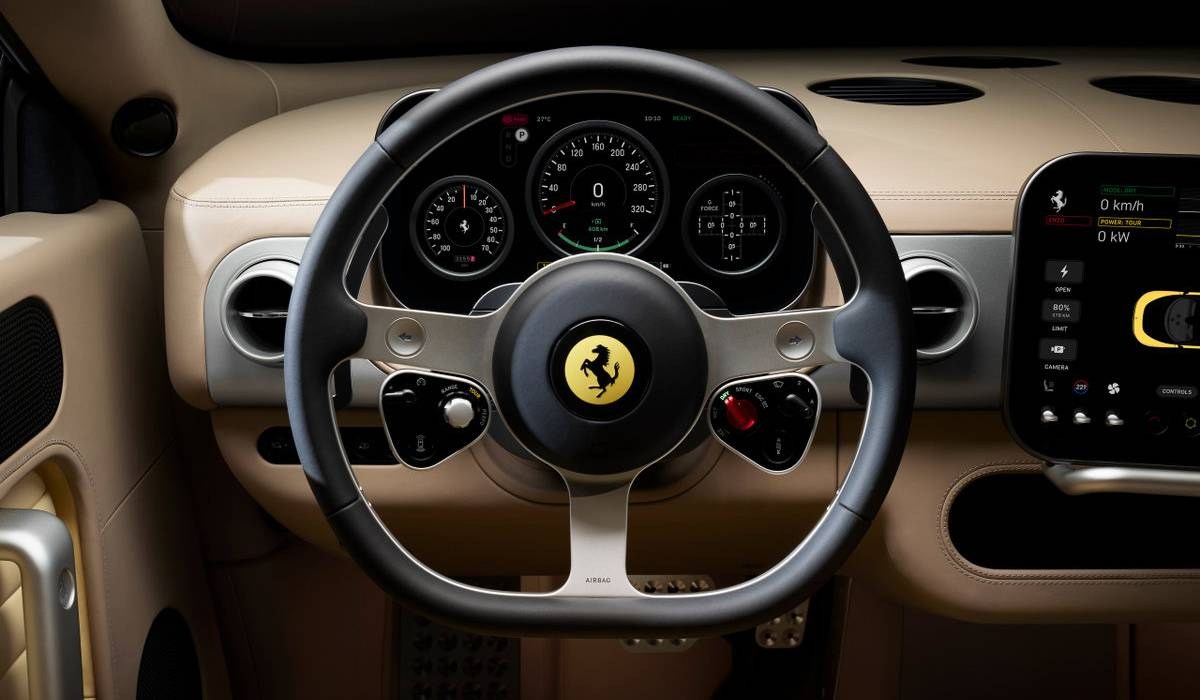
The engineering behind the driver’s view is layers deep—literally. The binnacle uses a stacked design:
- Bottom Layer: A 12-inch OLED panel for background graphics and gauge indexes.
- Top Layer: A 12.9-inch OLED panel with three precision cutouts.
By sandwiching these screens and adding physical hands, Ferrari has created a 3D effect that eliminates the “flat glass” look common in modern EVs. It’s a nod to Ferrari’s mechanical heritage, even as they embrace an all-electric future.
Precision Control at Your Fingertips
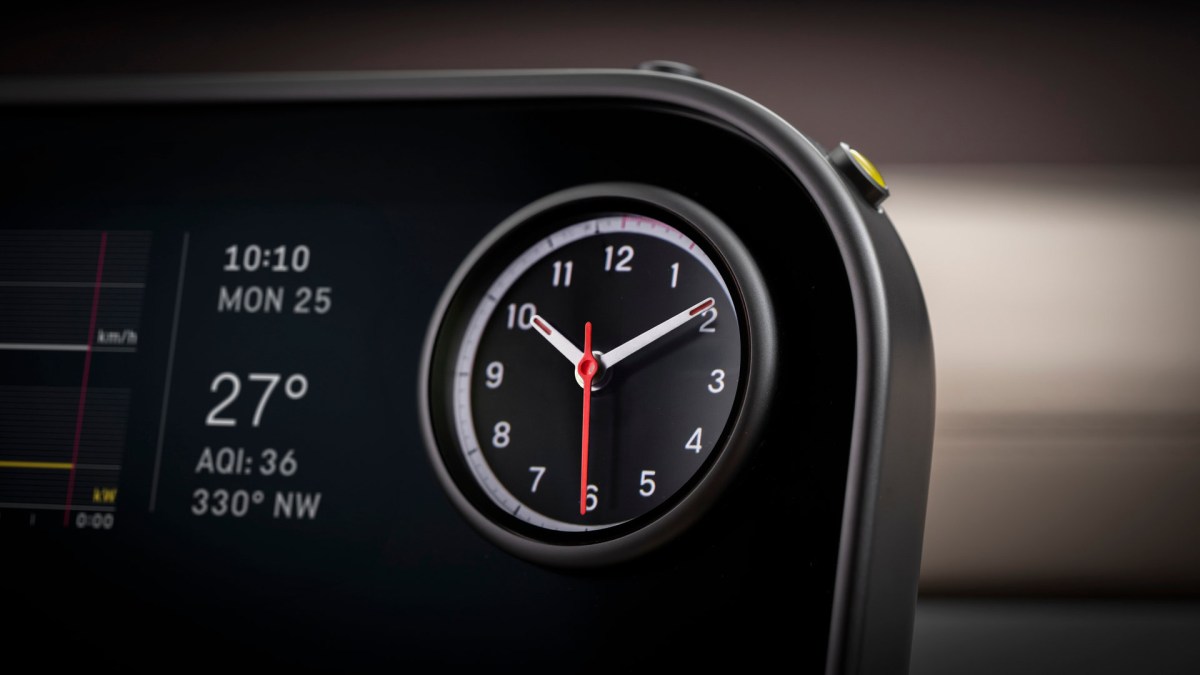
The tech doesn’t stop at the steering wheel. The central control console features a 10.1-inch OLED that handles everything from the clock and stopwatch to the compass. Much like the main cluster, this panel also utilizes HIAA technology, featuring three physical hands that give it the feel of a high-end luxury watch.
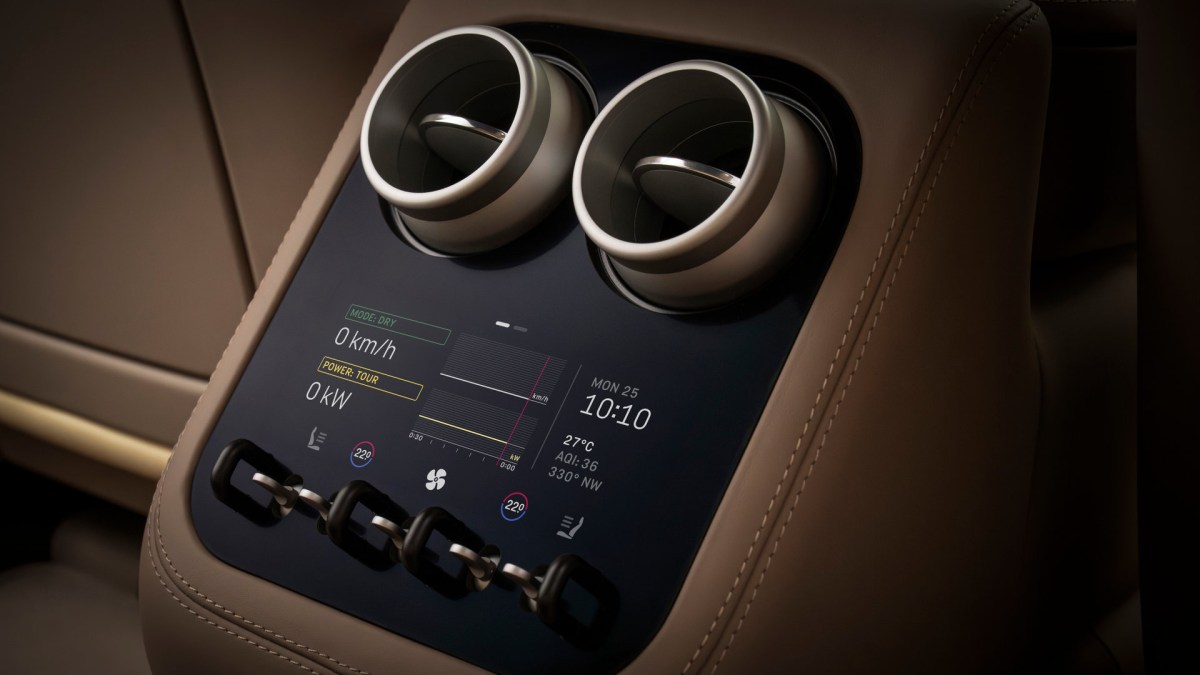
Even the passengers aren’t left out. Those in the back have access to 6.3-inch displays for managing climate settings and keeping an eye on driving dynamics, ensuring everyone in the car is part of the experience.
Ernesto Lasalandra, Ferrari’s Chief R&D Officer, noted that Samsung Display was uniquely able to match the Luce’s philosophy of blending software and hardware. The result is a cockpit where legacy and futuristic tech don’t just sit next to each other—they work together in total harmony.
If you’re curious about how Jony Ive handled the car’s exterior lines, be sure to check out the full announcement news for the complete visual breakdown.
About The Author





