Samsung’s memory division posts massive profits for Q1, smartphones still profitable
Samsung’s Q1 Results: A Tale of Two Worlds
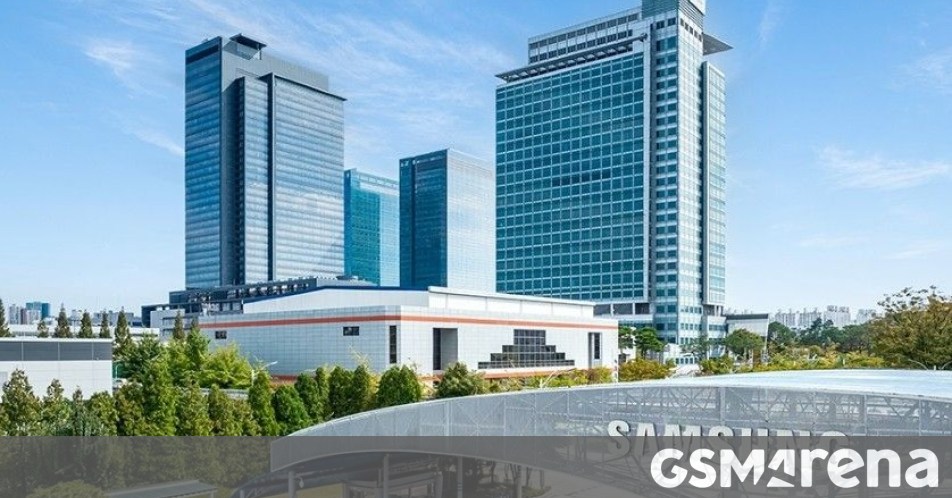
Samsung Electronics just dropped its financial report for the first quarter, and the atmosphere at headquarters is likely a mix of cautious optimism and total celebration. While we usually focus on the shiny new Galaxy phones in our pockets, this quarter proves that what’s happening under the hood—and in the servers—is what’s really driving the engine right now.
Mobile: Holding Steady Against the Wind
Let’s start with the gadgets. TM Roh, head of the mobile division (MX), has been vocal about his concerns regarding a potential annual loss—a first for the division—driven largely by the skyrocketing cost of memory components. Despite those looming shadows, the MX division stayed in the black for Q1, bringing in KRW 38.1 trillion in revenue.
How are they keeping the lights on? It’s all about the premium tier. By leaning into high-end flagship models and getting aggressive with cost optimizations, Samsung managed to maintain single-digit profitability. However, the forecast for the next few months suggests a slight dip in revenue before things ramp up again in the second half of the year, where the focus will shift heavily toward foldables and maintaining flagship dominance.
Memory and Semiconductors: The Real Stars of the Show
If the mobile division is playing defense, the Device Solutions (DS) division is playing a whole different game. If you hear champagne corks popping, this is why: the DS division posted an all-time high revenue of KRW 81.7 trillion. To put that in perspective, that is an 86% increase compared to the previous quarter. Operating profit skyrocketed to KRW 53.7 trillion, leaving last year’s KRW 1.1 trillion in the dust.
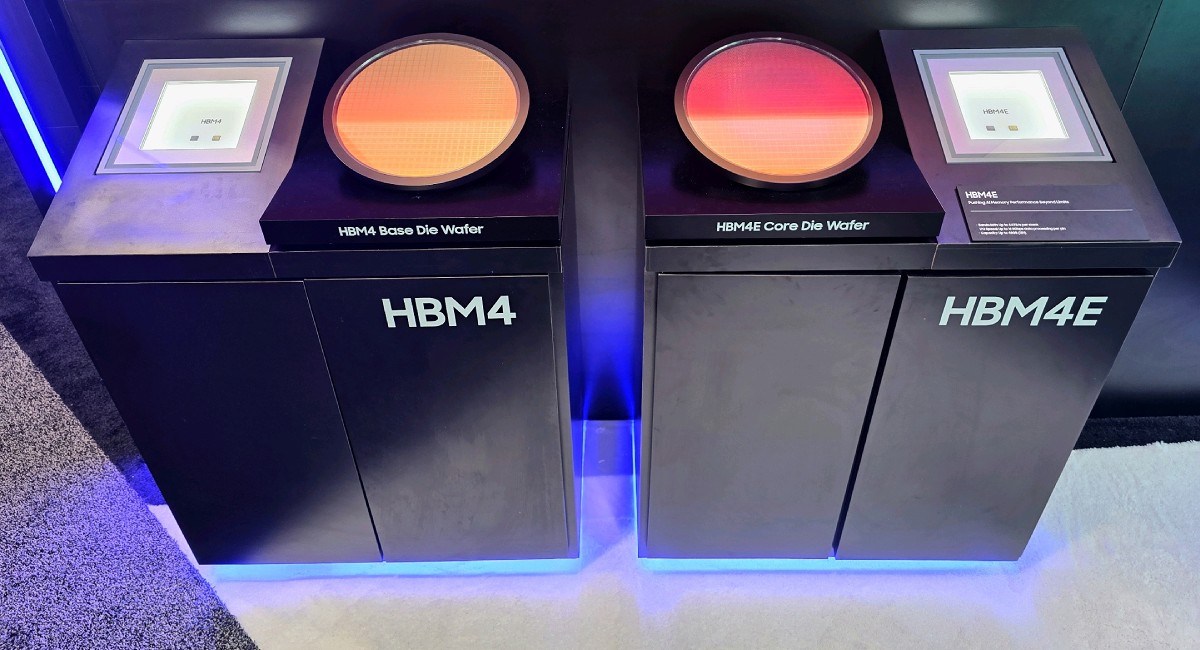
The catalyst? The AI boom. Samsung’s memory business is breaking records thanks to the insatiable demand for high-value AI components. They’ve already started shipping HBM4 and SOCAMM2 memory for Nvidia’s upcoming “Vera Rubin” architecture. Moving into Q2, Samsung is doubling down on AI infrastructure, prepping HBM4E samples and positioning themselves to lead the PCIe Gen6 SSD market.
Displays and Sensors: A Mixed Bag
It wasn’t all record-breaking highs across every department. Samsung Display (SDC) felt the squeeze of “seasonal effects” and the impact high memory prices have on overall smartphone sales. While demand for small and medium screens was a bit sluggish, the OLED gaming monitor market is a bright spot. It seems if people aren’t buying new phones, they’re at least upgrading their battle stations.
On the chipset side, the System LSI team has some momentum. Exynos chip sales are up, and they are eyeing the “volume-tier” (mid-range) market for the coming months. We can also expect to see a wider rollout of their 200MP sensors as they aim to secure more flagship design wins by the end of the year.
The Big Picture
When you take a step back, Samsung Electronics is in a powerhouse position. The total consolidated revenue of KRW 133.9 trillion is a record high for any first quarter. While the mobile market deals with the reality of expensive parts and shifting consumer habits, Samsung’s dominance in the semiconductor and AI supply chain is more than making up the difference. They aren’t just making the devices we use; they are building the foundation for the next generation of AI computing.
Data provided via Samsung Newsroom
About The Author