Samsung is bringing One UI to laptops
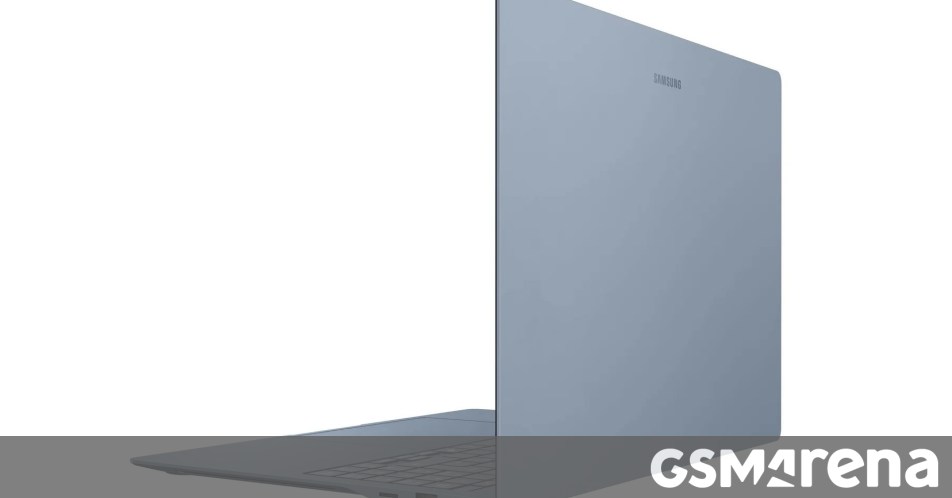
Samsung Might Be Swapping Windows for Android on Future Galaxy Books
We’ve lived in a world where laptops run Windows and phones run Android for a long time, but Samsung might be about to blur those lines permanently. Rumors are swirling that the tech giant is developing a new line of Galaxy Book laptops powered not by Microsoft, but by Android 17 and a laptop-optimized version of One UI 9.
If that sounds a little wild, it actually makes a lot of sense when you look at the bigger picture. Google is already deep into the process of merging ChromeOS and Android into a unified platform internally referred to as ‘Aluminum OS.’ Samsung seems poised to ride that wave, potentially creating a more seamless bridge between your phone and your computer than we’ve ever seen before.
A Full Lineup from Budget to Flagship
This isn’t just a side project or a single experimental device. Reports suggest Samsung is planning an entire family of Android-powered Galaxy Books. We’re talking about everything from affordable entry-level models to high-end flagships that boast ‘very sleek’ designs. While ‘sleek’ is a bit of a marketing buzzword, it hints that Samsung is aiming for the ultra-portable market—think MacBook Air competitors that leverage mobile efficiency for incredible battery life.
The Evolution of One UI and Galaxy AI
So, what would a laptop running Android actually look like? If you’ve ever used Samsung DeX, you probably have a good head start. We expect One UI 9 for laptops to be a significantly more polished, desktop-friendly version of the DeX interface we already know. It will likely feature a traditional taskbar, advanced window management, and, of course, a heavy dose of Galaxy AI features.
Samsung has been aggressive about putting AI into every corner of their ecosystem, so expect these laptops to handle everything from real-time translation to advanced photo editing and smart productivity tools right out of the box.
When Can We Expect Them?
While the internal details are still a bit thin, these devices could hit the market sooner than you think—potentially before the end of this year. If Samsung is aiming for a 2024 or early 2025 launch, we should see a flood of leaks and official certifications popping up in the coming weeks. Whether this signals a permanent shift away from Windows or just a new category of mobile-first computing remains to be seen, but it’s clear that the ‘laptop’ as we know it is changing.
About The Author