Royal Enfield Flying Flea C6 Price – Range, Images, Colours
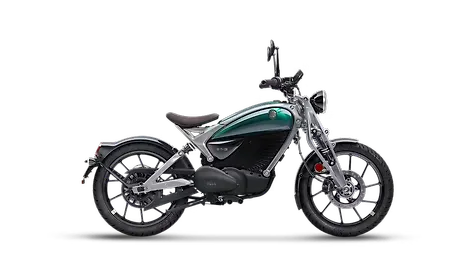
Riding the Royal Enfield Flying Flea C6: A New Kind of Urban Electric
The moment you swing a leg over the Royal Enfield Flying Flea, it’s clear this isn’t your typical thumper. It’s compact, purpose-built, and undeniably designed for the urban jungle. The seat offers a decent amount of room, though it’s definitely shaped for those quick cross-town sprints rather than an all-day trek across the state.
The ergonomics are interesting. The handlebars are positioned for an easy reach, and the footpegs sit in a neutral spot that feels natural. Royal Enfield actually designed the pegs to be adjustable, allowing you to move them forward for a more relaxed, cruiser-like stance. However, that design choice leads to a specific quirk that took me a while to wrap my head around.
Zip and Zap: Real-World Performance
On the move, the Flying Flea is surprisingly punchy. Even in ‘City’ mode, it doesn’t feel like a slouch. There’s enough immediate torque to keep pace with traffic and dart into gaps for quick overtakes. When you flip it into ‘Sport’ mode, the personality changes—the throttle response sharpens significantly, and the bike feels genuinely quick. Royal Enfield claims a 0-60kmph time of 3.7 seconds, and honestly, it feels every bit that fast.
What’s even more impressive is how it handles the open road. The Flea can sit at highway speeds of 80-100kmph without feeling like it’s being pushed to its absolute limit. This makes it more than just a neighborhood runabout; it’s a usable machine for both city commutes and short highway stints.
The Range Reality
Let’s talk about the big question: range. While the claimed IDC figure sits at 154km, you can realistically expect about 100km in the real world. For most urban riders, that’s more than enough for a day or two of commuting. It also features regenerative braking to help stretch that battery life, though we’re looking forward to getting it on our local streets for a more definitive range test.
Surprising Comfort and Handling
One of the most striking features of the Flying Flea is that girder-style front suspension. You might expect it to be stiff or purely aesthetic, but the ride quality is surprisingly plush. It soaks up road undulations with ease, with only the sharpest potholes making themselves felt. The rear monoshock is a bit firmer than the front, but it still does a commendable job of isolating you from the worst of the pavement.
Those large 19-inch wheels are a blessing on broken roads and patches of mud. Despite the tires being quite narrow, they provide plenty of grip in the corners. It does take a few miles to get used to the specific feedback they offer, but once you’re dialed in, the bike feels stable and predictable.
The Braking Learning Curve
The brakes on the Flying Flea are genuinely strong. I found this out firsthand when a stray dog decided to sprint across the highway—the bike shed speed quickly and stayed perfectly composed. However, there is a catch for seasoned motorcyclists: the rear brake is on the left handlebar, just like a scooter. My right foot kept searching for a pedal that wasn’t there. While Royal Enfield chose this setup to allow for those adjustable footpegs, I can’t help but feel a traditional foot-operated rear brake would have felt more intuitive for a motorcycle of this caliber.
About The Author