Inside the Redmi Note 17 Pro: A Deep Dive Teardown of Xiaomi’s Battery Powerhouse
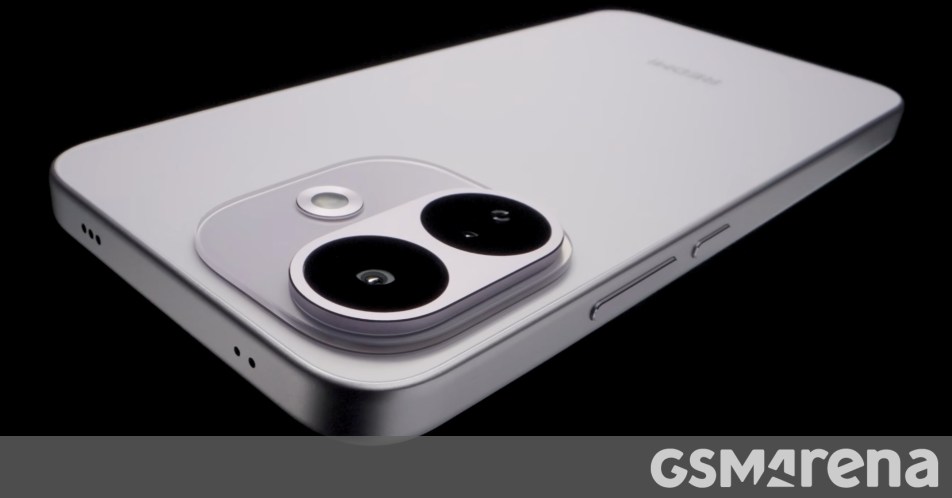
Peek Under the Hood: The Redmi Note 17 Pro Teardown
Fresh off its Chinese market debut, the Redmi Note 17 Pro is already making waves—not just for its massive battery, but for how it’s built. The team at the Chinese tech channel WekiHome just dropped a full disassembly video, and it gives us a crystal-clear look at what’s actually happening inside this device. If you’re curious about the internals, the video is well worth a watch (pro tip: turn on YouTube’s auto-translate captions to follow along).
Getting into the Note 17 Pro follows the standard modern smartphone playbook: pop off the plastic back cover, which is impressively lined with foam padding to help keep dust and moisture at bay. Once you’re inside, it’s clear that Redmi had to balance performance with cost-saving measures.
Key Internal Observations
- Thermal Management: Heat is managed via a film spanning from the battery to the motherboard, paired with a substantial 4,700-square-millimeter stainless steel vapor chamber sitting right beneath the display.
- Camera Hardware: The setup features Samsung’s ISOCELL JN5 sensor for the main shooter and an OmniVision OV08F sensor for selfies.
- The Storage Paradox: While the phone uses high-quality Samsung UFS 4.0 storage, the Snapdragon 6s Gen 4 chipset acts as a bottleneck, capping performance at UFS 3.1 speeds.
- Build Quality: The outer frame is plastic, but the inner skeleton is crafted from HZH5.9 alloy, offering a reported 30% boost in structural rigidity over the previous generation.
Battery and Charging Performance
The star of the show is undeniably that 9,000 mAh battery manufactured by Sunwoda, which utilizes a 13% silicon content. In real-world testing with the included 67W charger, the phone pulls about 54.7W at its peak. Expect a full zero-to-hero charge to take around 84 minutes.
Display performance also looks promising. While manual brightness sits around 863 nits, the screen hits an impressive 1,100 nits in high brightness mode. When pushing to the absolute limit under specific conditions, the panel can even peak north of 3,800 nits—definitely enough to handle the brightest outdoor conditions.
It’s a fascinating look at the trade-offs in modern phone design. By sticking to a USB 2.0 port and opting for two microphones, Redmi managed to focus its budget where it matters most for the average user: battery endurance and display quality.
About The Author