Oppo Pad 5 Matte Display Benchmarks: How the New Tablet Performance Stack Up
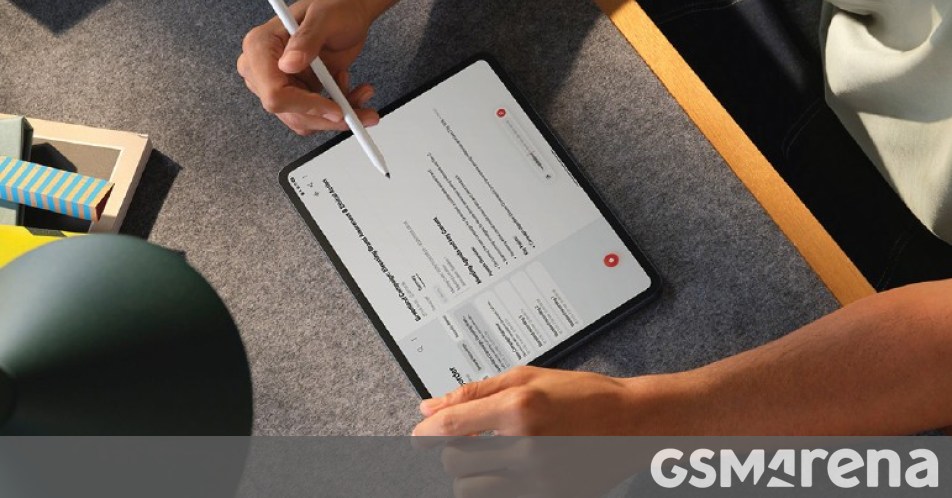
Is the Oppo Pad 5 Matte Display Your Next Productivity Companion?
If you’ve ever tried to read a digital textbook or finish a report while sitting near a sunny window, you know the struggle of fighting off reflections. The Oppo Pad 5 Matte Display (also known as the Air5 in some regions) aims to solve that problem once and for all. Featuring a 12.1-inch IPS LCD, this tablet isn’t just about size; it’s about comfort. With a sharp 2,800 x 1,980px resolution and a smooth 120Hz refresh rate, it’s built for those who spend hours looking at a screen.
The standout feature here is the matte finish. Unlike the fingerprint-magnet glossy screens we’re used to, this panel is TÜV Rheinland certified to slash reflections by a staggering 97%. It also cuts harmful blue light by 70%, making it one of the most eye-friendly tablets on the market today. But how does it perform when you actually put it to work?
Under the Hood: Dimensity 7300 Ultra Performance
While the screen is the star of the show, the hardware inside tells a more modest story. Powering the Oppo Pad 5 is the MediaTek Dimensity 7300 Ultra. We put the 8GB RAM and 256GB storage (UFS 3.1) variant through its paces to see where it stands. To give you some context on the price, you’re looking at around MYR 2,100 in Malaysia or SGD 570 in Singapore.
The Dimensity 7300 Ultra is a reliable 6nm chip, but it sits firmly in the middle of the pack. If you compare it to the Xiaomi Pad 7, which packs the beefier Snapdragon 7+ Gen 3, the Oppo starts to feel a bit pricey for the raw power it offers. The Snapdragon chip has a clear advantage in single-core tasks thanks to its high-performance Cortex-X4 core. Meanwhile, the Oppo Pad 5 relies on four Cortex-A78 cores which, while capable, are a few generations behind the latest tech.
Real-World Usage and Competition
When it comes to daily tasks—browsing, heavy PDF reading, and note-taking—the Oppo Pad 5 is a breeze. The high-resolution display makes text look crisp, which is exactly what you want for an e-reading experience. However, the Mali-G615 MC2 GPU isn’t exactly a gaming powerhouse. It will handle casual games just fine, but if you’re looking to play Genshin Impact on max settings, you might want to look elsewhere.
Here is how it stacks up against the competition:
- Xiaomi Pad 7: Cheaper and significantly more powerful, though it comes with a glossy screen unless you pay extra for the ‘Soft Light’ version.
- OnePlus Pad Go 2: Uses the same chipset but targets a lower price point.
- Poco Pad M1: A budget-friendly alternative that offers a solid experience for about half the price, though it lacks the premium matte finish.
Who Is This Tablet For?
The Oppo Pad 5 Matte Display is a specialized tool. It isn’t trying to be the fastest tablet in the world; it’s trying to be the most comfortable one to read on. If your day consists of reviewing documents, taking notes with a stylus, or catching up on ebooks, the matte screen is a game-changer that justifies the premium.
However, if you need a device for heavy video editing or high-end gaming, the competition offers more bang for your buck. For the student or the office professional who values eye health and a paper-like feel, this is a unique and compelling option in a sea of glossy slabs.
About The Author