Nvidia claims its new Vera ARM CPU is 80% faster than leading x86 CPUs
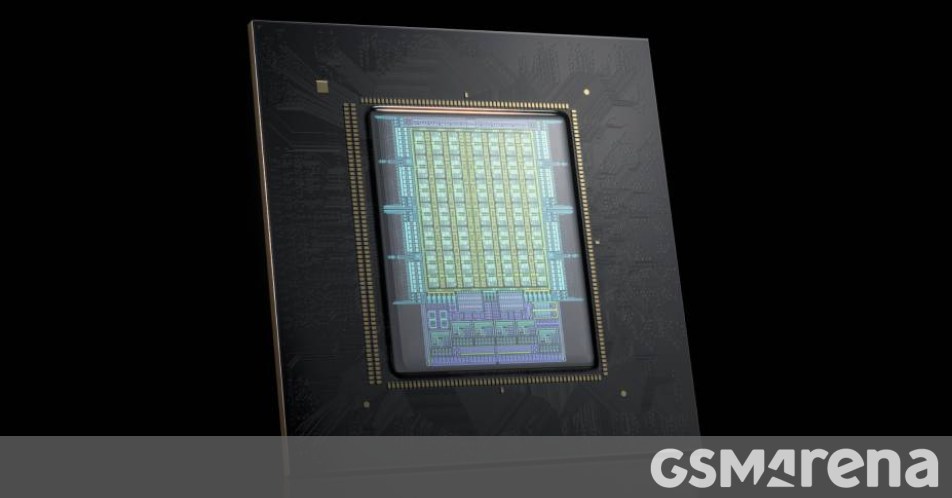
Nvidia’s New Vera CPU: The High-Octane ARM Powerhouse Ready to Topple x86
Fresh off the heels of the RTX Spark announcement—which essentially brought server-grade specs like 20 cores and 128GB of RAM to consumer desktops—Nvidia is pulling back the curtain on its next big play for the data center: the Vera CPU.
This isn’t just a minor iteration. Vera is the processor half of the massive Vera Rubin platform, and it’s designed specifically to handle the heavy lifting of agentic AI and massive data processing. The headline? Nvidia claims it’s 1.8x faster on average than the “leading x86 CPUs.” While they didn’t name names, we can take a pretty good guess at who they’re aiming for.
Under the Hood: 88 Cores of Raw Power
The specs on this thing are frankly ridiculous. Vera packs 88 Olympus cores based on the ARM architecture. Thanks to Spatial Multithreading, you’re looking at 176 threads per socket. To keep those cores fed, Nvidia paired the processor with up to 1.5TB of LPDDR5X RAM, pushing a staggering 1.2TB/s of bandwidth. If you’re doing AI inference, that kind of speed is the difference between a slight lag and a near-instant response.
Scaling Up to the Rack
For those who need more than just one chip, the Vera CPU Rack is where things get wild. It houses 256 CPUs, totaling 22,528 cores and over 45,000 threads. But Vera isn’t just a solo act; it’s designed to be the ultimate partner for the new Rubin GPUs. In a Vera Rubin NVL72 configuration, you get 36 Vera CPUs and 72 Rubin GPUs chatting with each other at 1.8TB/s via the NVLink-C2C interconnect. That’s a lot of data moving very, very fast.
Who’s Buying? (Spoiler: Everyone)
Nvidia’s dance card is already full. Big names in AI like Anthropic (the team behind Claude), OpenAI (ChatGPT), and SpaceXAI (Grok) are already lined up. It’s not just the AI labs, either—hyperscalers like ByteDance and Oracle Cloud are jumping on board. Even hardware giants like Dell, HP, Lenovo, and Asus are building dedicated systems around the Vera architecture.
One of the most interesting use cases comes from the New York Stock Exchange. Processing 1.1 trillion messages a day requires hardware that doesn’t blink, so the NYSE is already working with Redpanda and HP to integrate Vera into their infrastructure. Whether it’s training the next big LLM or managing the global economy, Nvidia’s ARM-based future is arriving a lot faster than many expected.
About The Author