Is This the Future of AI? OpenAI’s Screen-less Smart Speaker Takes Shape
A New Chapter for AI Hardware
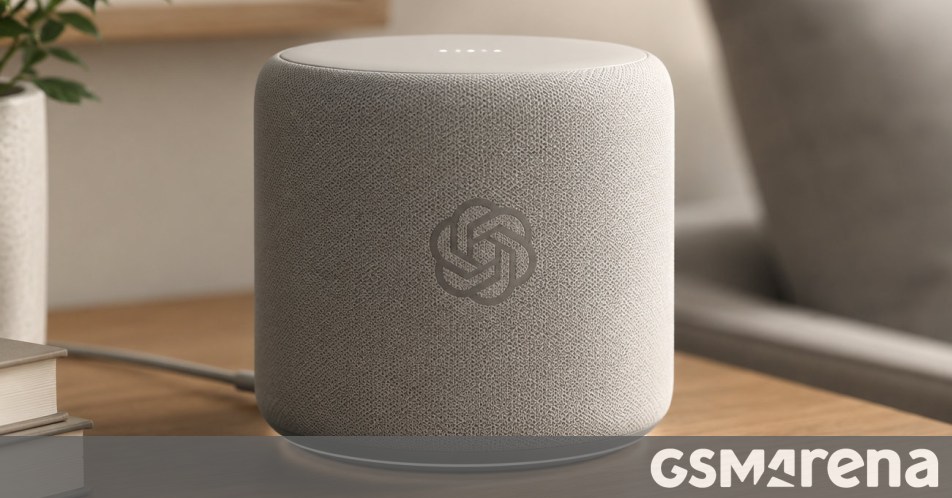
OpenAI is reportedly gearing up to enter the hardware space, and if recent reports from Bloomberg’s Mark Gurman are anything to go by, they’re taking a surprisingly tactile approach. Instead of rushing to build another screen-heavy tablet or phone, the company’s first standalone device is shaping up to be a portable, screen-less smart speaker designed to live in your home.
Meet Your New AI Companion
At its heart, this isn’t just a speaker—it’s a physical vessel for ChatGPT. While it handles standard chores like controlling smart home gadgets or managing media, the real draw is the advanced voice mode. We’re talking about a level of interaction that feels fluid; you can interrupt it, it can interrupt you, and the conversation flows much more like a human chat than a rigid command-and-response session.
Why It’s More Than Just a Speaker
OpenAI seems to be betting that the secret sauce for hardware isn’t specs, but personality. The device is intended to become increasingly personalized, learning your context and preferences to anticipate your needs before you even think to ask. But the most intriguing detail? It’s rumored to feature mechanical elements that allow it to move on its own, designed to give it a sense of presence—making it feel less like a gadget and more like a companion.
The tech stack includes a camera and an array of sensors, allowing the device to read the room and truly understand its surroundings. It’s designed to be a physical manifestation of the AI we’ve all been interacting with via text for years.
Design Pedigree
This project is the first major output from OpenAI’s acquisition of Jony Ive’s startup, io Products. With the legendary design studio LoveFrom on board—and a team stacked with former Apple veterans who helped shape the iPhone and Mac—it’s safe to say expectations for the build quality and aesthetic are sky-high.
While we expect to get an official look later this year, it looks like we’ll have to wait until 2027 to actually get our hands on one. It’s a long road ahead, but if OpenAI can pull off a truly ‘human-like’ level of interaction, it might just change how we invite AI into our homes.
About The Author





