Kuo: Apple is testing iPhone chipset production at Intel
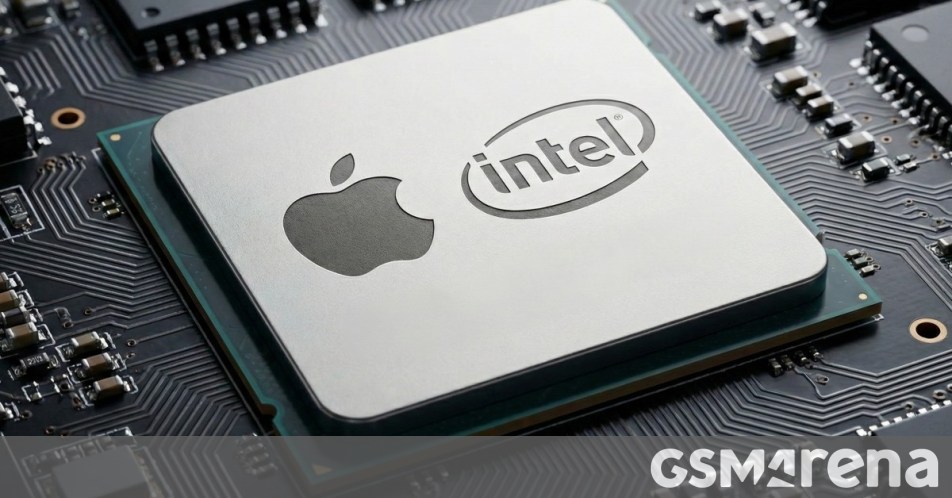
Is Apple Moving Away from TSMC? New Reports Suggest Intel is Joining the Supply Chain
For years, TSMC has been the undisputed king of Apple’s supply chain, churning out the high-performance silicon that powers everything from your Apple Watch to the beefiest MacBook Pro. But that absolute reliance might be starting to shift. Recent reports, backed by seasoned industry analyst Ming-Chi Kuo, suggest that Apple is officially exploring life beyond a single supplier by tapping Intel and Samsung for future production.
The Intel Partnership: What’s Actually Happening?
According to Kuo, Apple and Intel have already begun the groundwork for producing legacy Apple Silicon chips. They’re reportedly utilizing Intel’s 18A-P process—a node that holds its own against the tech powering the current A18 Pro. However, don’t expect the next flagship iPhone 17 Pro Max to be sporting an ‘Intel Inside’ sticker just yet.
The current strategy seems focused on the ‘low-end’ of the spectrum. We’re talking about chips for more affordable iPhones, entry-level iPads, and base-model Macs. Here are the quick takeaways from the recent leak:
- The Volume: Roughly 80% of these Intel-made chips are destined for the iPhone lineup.
- Made in the USA: These chips are slated for production within Intel’s US-based facilities, a significant move for Apple’s domestic supply chain strategy.
- The Timeline: We are currently in the small-scale testing phase. If things go well, production will ramp up significantly in 2027 and 2028.
Evaluating the Future
While Intel is currently handling legacy tech, Apple isn’t stopping there. The Cupertino giant is also reportedly evaluating Intel’s even more advanced process nodes for future projects. It’s a classic move from the Apple playbook: diversify the supply chain to minimize risk and maximize leverage during price negotiations.
That said, TSMC isn’t losing its crown anytime soon. Even with Intel entering the fray, TSMC is expected to retain a massive 90% share of Apple Silicon production. Think of this Intel deal as a high-stakes backup plan—one that could eventually change how our favorite gadgets are built.
About The Author