EU Tweaks Battery Mandate: What This Means for Your Wearables and Phones
The EU’s Battery Regulations Are Evolving
Back in 2022, the European Union set the tech world abuzz by announcing new legislation aimed at making batteries user-replaceable again. With a target deadline of February 2027, the industry has been scrambling to adapt. We’re already seeing some interesting shifts, like Nintendo’s move to include a user-replaceable battery in the upcoming Switch 2.
But not every gadget is a perfect candidate for an easily swappable power pack. Concerns over water resistance and device integrity have led the EU to introduce several practical exemptions to these rules.
Defining the ‘Wet Appliances’ Exemption
A key update in the legislation focuses on what the EU calls “wet appliances.” These are devices specifically designed to handle splashes, submersion, or frequent washing. This category includes:
- Wireless earbuds
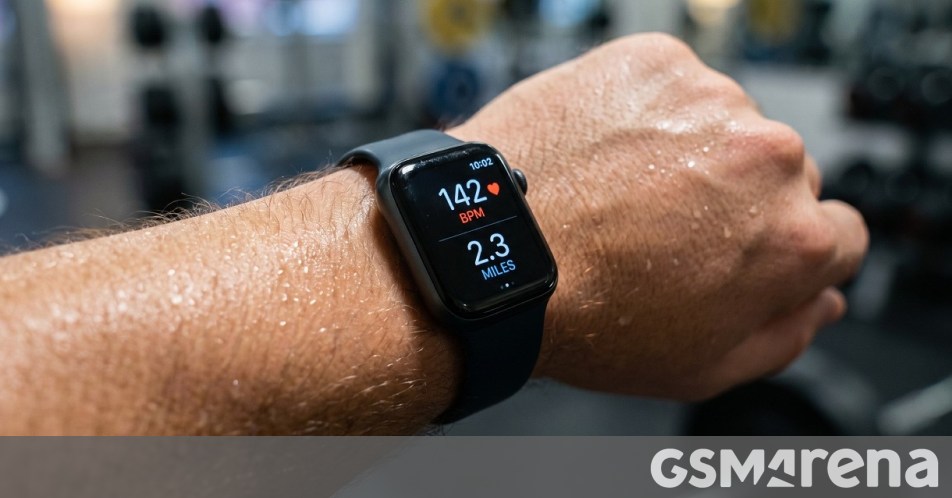
- Smart glasses and watches
- Heart rate monitor straps
- Outdoor wireless speakers
While an electric toothbrush is the obvious example of a “wet” device, the inclusion of outdoor wireless speakers clarifies that gear meant to survive the elements gets a bit of a pass. This approach prioritizes keeping those water-tight seals intact rather than forcing a modular design that might fail in the real world.
The Challenge of Miniaturization
The EU is also acknowledging the reality of modern design: smaller is often better, but it’s also more delicate. Wearables may now be exempt from certain requirements if their internal components are packed too tightly to safely service.
Let’s be honest—nobody wants to accidentally puncture a lithium battery while trying to pry open a tiny fitness tracker. Under these new rules, if a device is so compact that a consumer could easily cause damage or a fire hazard, professional-only servicing is the standard.
What About Our Smartphones?
The rules for smartphones remain quite nuanced. If a phone carries an IP67 rating (or higher) and the battery meets high durability standards—specifically retaining 83% capacity after 500 charge cycles or 80% after 1,000—manufacturers may limit battery replacement to professionals. Since most of today’s flagship and mid-range devices already meet these benchmarks, it will be fascinating to see how the landscape shifts as 2027 approaches.
It is worth noting that for devices where the battery is intended to be user-replaceable, it doesn’t mean you need to pop off the back cover like it’s 2010. The goal is accessibility with standard tools—think a basic screwdriver or a pry tool, rather than a specialized factory machine. You can dive into the full regulatory details in the official EU commission document.
About The Author





