Asus ROG Xbox Ally X20 unveiled with larger 7.4″ OLED screen, new TMR joysticks

Asus Fixed Every Major Complaint with the ROG Ally X20—But There’s a Catch
There was a time when recommending a high-end gaming handheld was easy: you just bought a Steam Deck. But following Valve’s recent price adjustments, the value proposition isn’t as clear-cut as it used to be. While the 16GB/1TB OLED Steam Deck now sits at a hefty $950, competitors like the Asus ROG Ally X are suddenly looking a lot more reasonable, even with their premium price tags.
However, the original Ally X wasn’t perfect. We previously noted that for a thousand-dollar device, the lack of an OLED panel and some questionable analog stick durability felt like missed opportunities. Asus clearly listened, and the new Asus ROG Ally X20 bundle aims to fix those exact gripes. But there’s a bit of a twist involving how you actually buy it.
The 20th Anniversary Upgrade
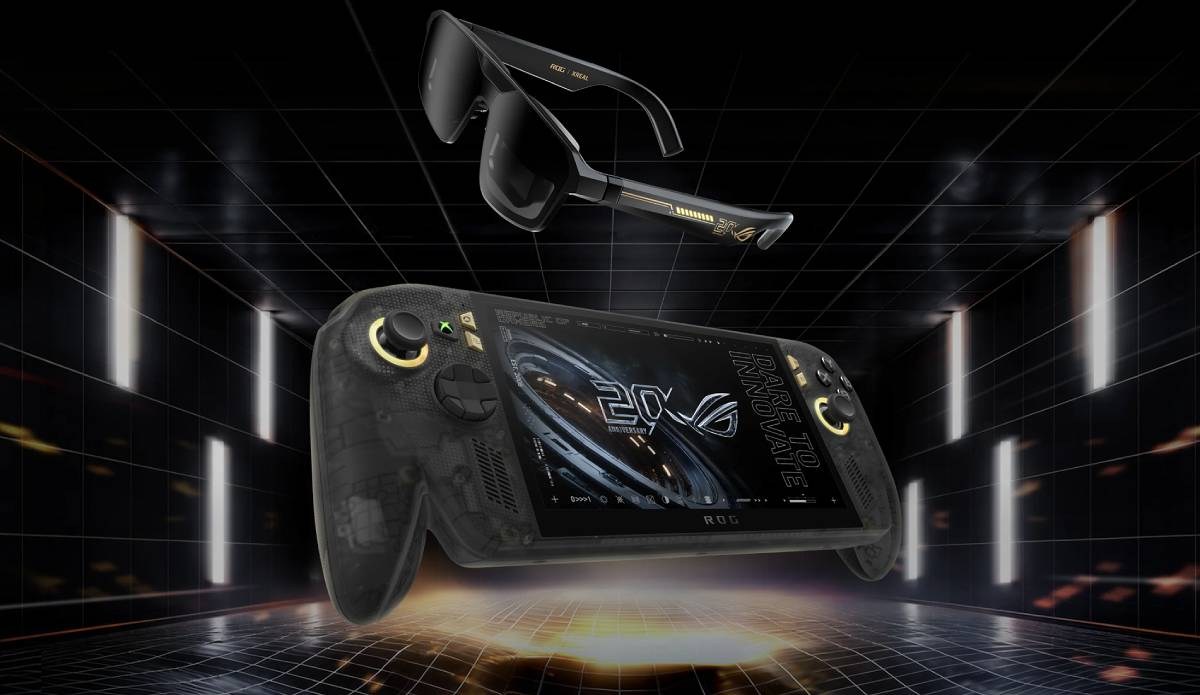
Released to celebrate the 20th anniversary of the Republic of Gamers brand, the X20 isn’t just a minor refresh. The most immediate upgrade is the screen. Asus has swapped the 7-inch LCD for a gorgeous 7.4-inch OLED display. It maintains the 1080p resolution but bumps the peak brightness up to a staggering 1,400 nits (a massive jump from the previous 500 nits). It also supports VESA DisplayHDR TrueBlack 1000 and Dolby Vision, making it one of the best-looking screens in the handheld market.
Under the hood, the performance remains consistent. It still runs the AMD Z2 Extreme chip with 8 cores and 16 threads, paired with 24GB of LPDDR5X RAM and a 1TB NVMe SSD. While you aren’t getting more raw horsepower, the refinement in the hardware experience is where the X20 shines.
Better Controls and Smarter Tech
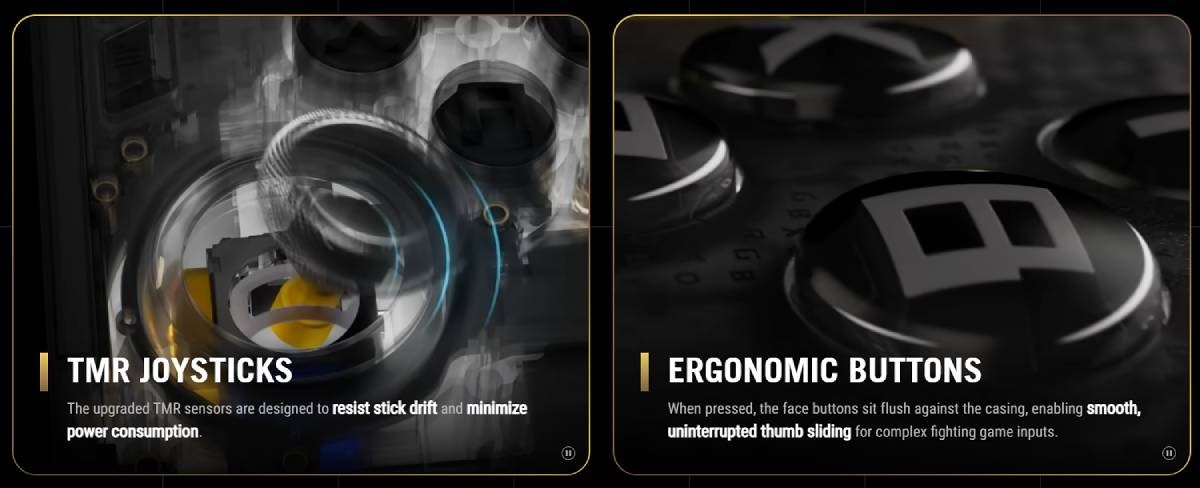
One of the most exciting technical shifts is the move to TMR (Tunnel Magnetoresistance) sensors for the joysticks. If you’ve followed the drama surrounding stick drift, you’ll know that Hall Effect sensors were the previous gold standard. TMR sensors are effectively the next evolution—offering even better precision and extreme resistance to wear and tear. Asus also reworked the ABXY buttons and added a rotatable D-Pad that lets you switch between 4-way and 8-way modes on the fly.
The Bundle Elephant in the Room
Now for the “bad” news: you currently can’t buy the Ally X20 on its own. It’s being sold exclusively as part of a bundle with the ROG Xreal R1 Edition 20 AR glasses.
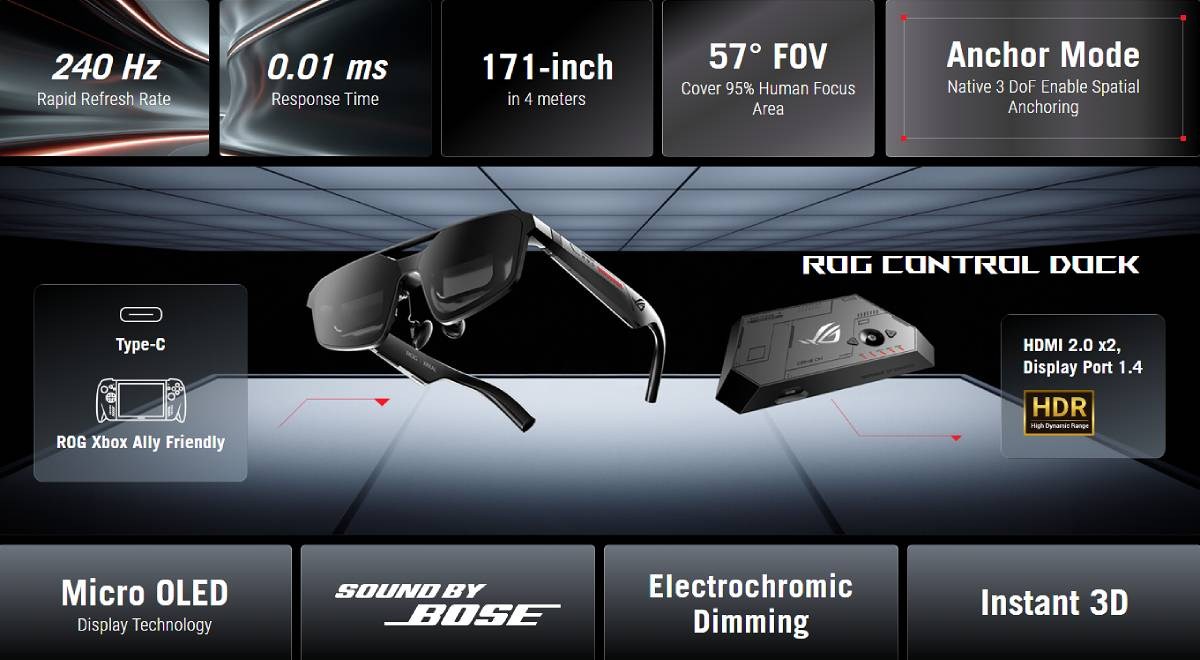
The glasses themselves are impressive. They project a virtual 171-inch display with a 240Hz refresh rate using micro-OLED panels. They even feature electrochromic lenses that let you dim the real world at the touch of a button. However, these glasses cost $850 as a standalone item. By forcing them into a bundle, Asus is essentially pushing the price of the X20 into a much higher tier, though they haven’t confirmed the final MSRP for the package just yet.
Key Specs at a Glance:
- Display: 7.4″ OLED, 1080p, 120Hz VRR (down to 30Hz), 1400 nits.
- Processor: AMD Z2 Extreme (8C/16T, up to 5.0GHz).
- Memory/Storage: 24GB LPDDR5X RAM, 1TB PCIe 4.0 M.2 SSD.
- Battery: 80Wh with 68W fast charging.
- Connectivity: USB-C 4.0 (Thunderbolt 4), Wi-Fi 6E, Bluetooth 5.4.
- Weight: 756g (slightly heavier than the 715g Ally X).
Is It Worth the Premium?
The ROG Ally X20 is objectively a better device than its predecessor. It fixes the screen issues, solves the potential for stick drift, and keeps the massive 80Wh battery that made the Ally X a favorite for long sessions.
The only real head-scratcher is the sales strategy. Why invest so much into a class-leading OLED screen only to bundle it with AR glasses that encourage you to look at a virtual screen instead? If Asus eventually decides to sell the X20 as a standalone unit, it might just become the undisputed king of the Windows handheld world. Until then, it’s a premium luxury for those who want the absolute cutting edge—and don’t mind wearing it on their face.
About The Author