Amazon to acquire Apple’s 20% stake in Globalstar, iPhone’s satellite feature won’t be affected
Amazon’s $11 Billion Satellite Move: Why It’s Buying Out Apple’s Share of Globalstar
Amazon just made a massive move in the space race, and it involves a surprising twist with its rival, Apple. In a deal valued at a staggering $11 billion, Amazon is officially acquiring Globalstar. But there’s a catch: to make this merger happen, Amazon is also buying out Apple’s 20% stake in the satellite operator.
The “Grapefruit” Move
This isn’t just a simple handover. To facilitate the buyout, Amazon created a new subsidiary with a name that feels like a playful jab at the iPhone maker: “Grapefruit Acquisition Sub II, LLC.” It’s a clever bit of corporate branding for a deal that reshapes how we think about satellite connectivity.
Apple originally solidified its partnership with Globalstar back in 2024 with a $1.1 billion commitment, which included a $400 million equity stake. Now, that stake is moving over to Amazon as the retail and cloud giant builds out its own satellite empire.
What Happens to Your iPhone’s Satellite Features?
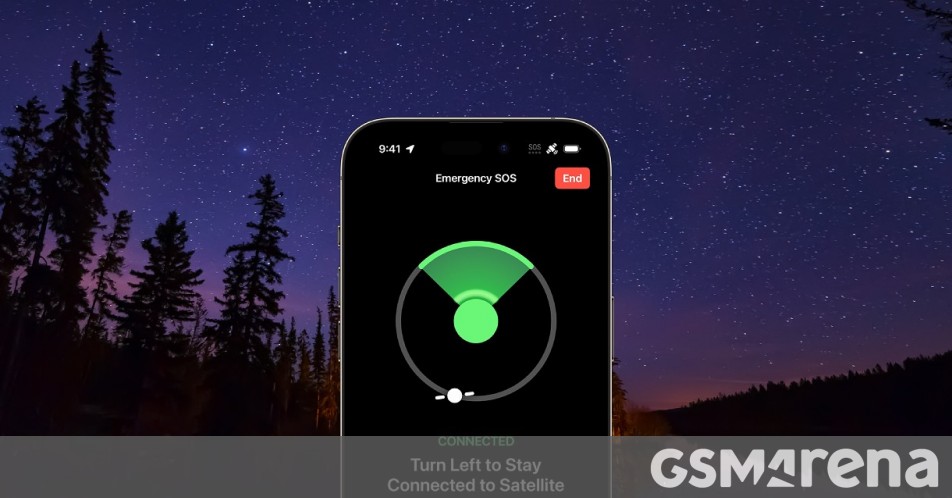
If you’re an iPhone user, you might be wondering if your emergency lifeline is about to be cut. The short answer is: no. Features like Emergency SOS and Roadside Assistance via satellite aren’t going anywhere. Amazon has been clear that this acquisition won’t disrupt current services. In fact, they’ve promised to keep the relationship with Apple strong while continuing to support the critical safety features millions of users rely on.
Amazon Leo vs. Starlink
Why is Amazon dropping $11 billion on this? It all comes down to Amazon Leo (often associated with Project Kuiper). Amazon is racing to deploy a constellation of low-earth orbit satellites to provide high-speed, low-latency internet globally. By bringing Globalstar into the fold, Amazon isn’t just competing with Elon Musk’s Starlink; it’s positioning itself as a primary infrastructure provider for the mobile world.
Looking ahead, Amazon doesn’t plan on stopping with Apple. The company has signaled intentions to expand these satellite services to other smartphone manufacturers, potentially making satellite connectivity a standard feature for everyone, regardless of which phone they carry.
About The Author