TCL CSOT shows off the world’s highest pixel density displays for XR
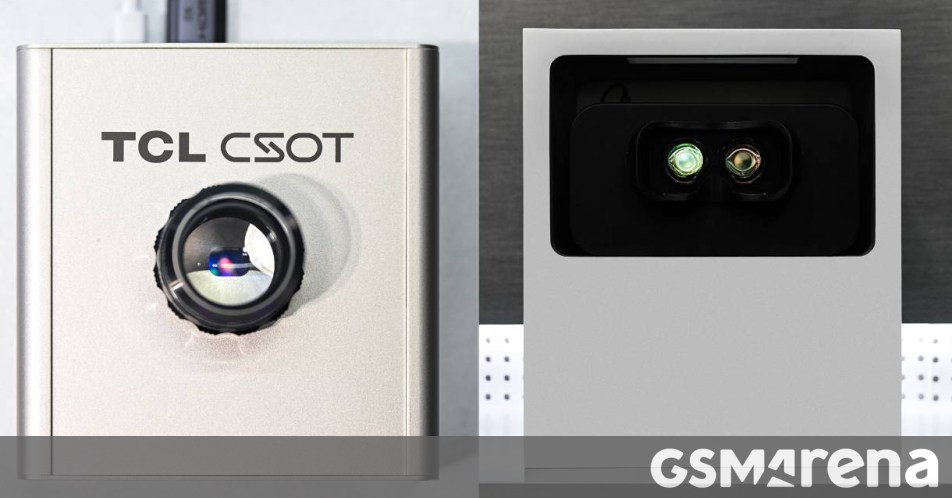
The Future of XR is Looking Sharper Than Ever
Last week in Los Angeles, Display Week 2026 became the stage for a glimpse into the next generation of visual technology. While many manufacturers showed up with massive screens, TCL CSOT decided to go small—and incredibly detailed. Their latest presentation focused heavily on the rapidly evolving world of eXtended Reality (XR), showcasing panels that push the absolute limits of pixel density.
A Full-Color Micro LED the Size of a Fingernail
Imagine a screen so tiny it fits inside a pair of sleek, lightweight smart glasses, yet so sharp you can’t distinguish a single individual pixel. TCL CSOT’s standout reveal was a 0.28” Si-Micro LED panel. This isn’t just small; it’s a world-record breaker with a staggering 5,131 pixels per inch (ppi).
With a resolution of 1,280 x 720px, it isn’t designed to power a high-end VR gaming rig. Instead, it’s the perfect engine for Augmented Reality (AR) overlays—think navigation prompts, live translations, or notifications floating naturally in your field of vision. Because it’s built on a single silicon substrate, the entire unit is compact, energy-efficient, and remarkably bright.
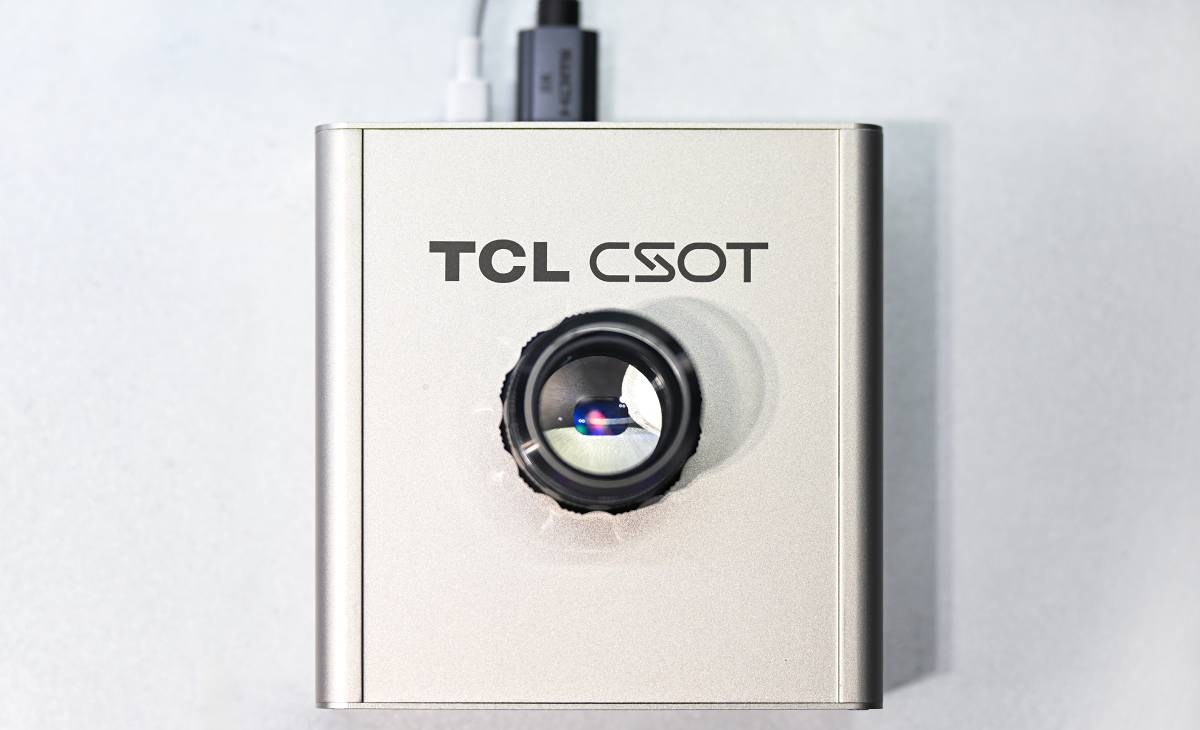 TCL CSOT’s record-breaking 5,131ppi Micro LED display.
Micro LED technology is often called the ‘holy grail’ of displays. Like OLED, each pixel emits its own light, meaning you get perfect blacks and incredible contrast without the need for a bulky backlight. The challenge has always been manufacturing these non-organic LEDs small enough to fit into a high-density array, a hurdle TCL seems to have cleared with this new silicon-based approach.
G-OLED: Taking Virtual Reality to the Next Level
For those who prefer deep immersion over simple information overlays, TCL showcased a 2.24” ‘Real RGB’ G-OLED display. If you’ve ever used a VR headset and noticed a faint ‘screen door’ effect, this is the solution. It packs 1,700ppi, resulting in a 2,600 x 2,784px resolution that makes virtual environments look incredibly lifelike.
The ‘G’ in G-OLED stands for glass, the substrate used to achieve such high precision. Perhaps more importantly, the ‘Real RGB’ designation suggests a full-stripe subpixel layout. This is a significant step up from the subpixel ‘shenanigans’ often found in mobile OLEDs, providing better color accuracy and edge clarity. Combined with a 120Hz refresh rate and microsecond response times, this panel is built for high-speed, lag-free action.
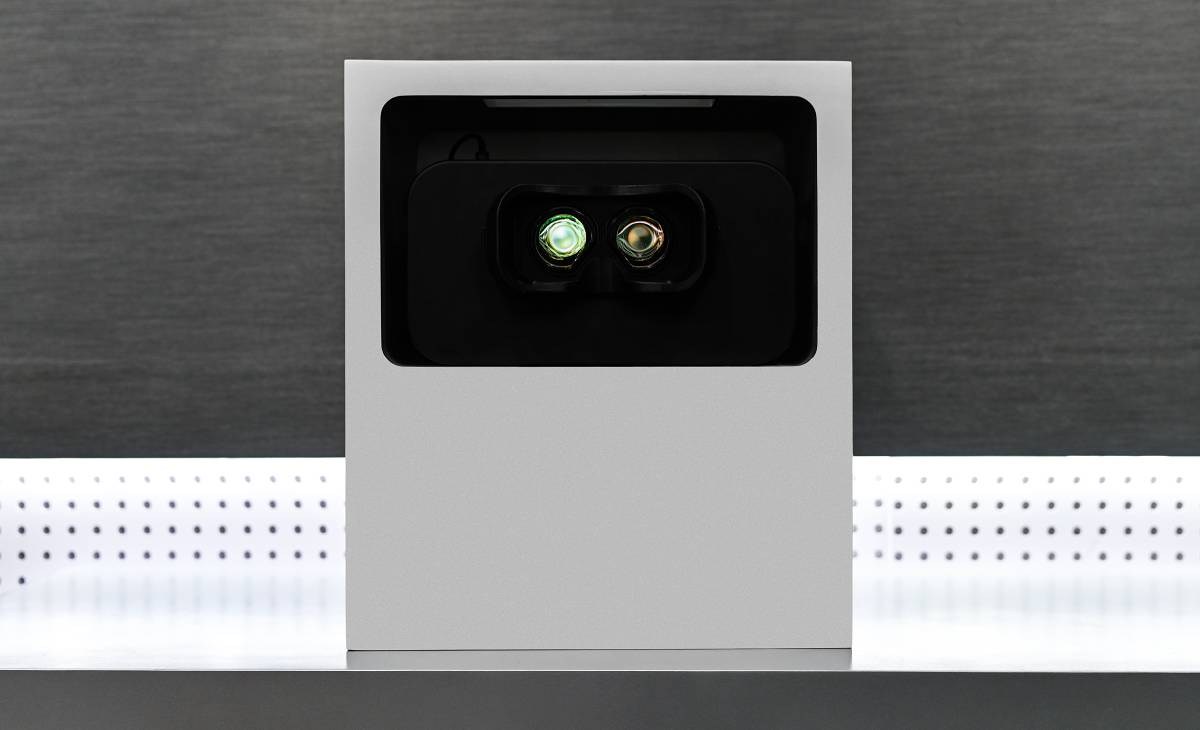 The 2.24-inch G-OLED display designed for premium VR experiences.
Pushing Boundaries Across the Board
TCL CSOT didn’t stop at just two highlights. Their booth was a showcase of ‘world-firsts’ and high-resolution prototypes, including:
- The 3.59″ XR Cockpit Display: A 1,512ppi powerhouse designed for immersive automotive interfaces.
- The 2.48″ LCD: An ultra-high-density 2,200ppi panel proving that LCD technology still has plenty of life left in the XR space.
- Single-Chip Multi-Color Si-Micro LED: Another 0.28″ variant pushing the limits of silicon-based manufacturing.
It’s clear that the race for higher pixel density isn’t just about bragging rights—it’s about making the digital world feel as tangible and clear as the physical one. As these displays move from trade show floors to consumer products, the ‘screen door effect’ may soon be a distant memory.
About The Author