Apple’s Strategy Shift: Is the Company Testing Chinese RAM?

Apple Testing Chinese RAM: A Strategic Move Amidst Global Supply Strains
Recent reports suggest Apple is taking a pragmatic, if somewhat controversial, step to secure its supply chain. Following earlier rumors that the tech giant was eyeing Chinese suppliers for memory components, it appears the company is officially testing DRAM chips from ChangXin Memory Technologies (CXMT). However, there is a specific caveat to this potential partnership: these components would reportedly be earmarked exclusively for devices sold within the Chinese market.
Why go through the trouble? It likely boils down to navigating the complex geopolitical landscape between the U.S. and China. Both CXMT and Yangtze Memory Technologies (YMTC) currently sit on the U.S. government’s Entity List, a designation that flags them as having links to the Chinese military. While buying from them isn’t technically illegal, doing so would certainly invite intense scrutiny and potential backlash in Washington.
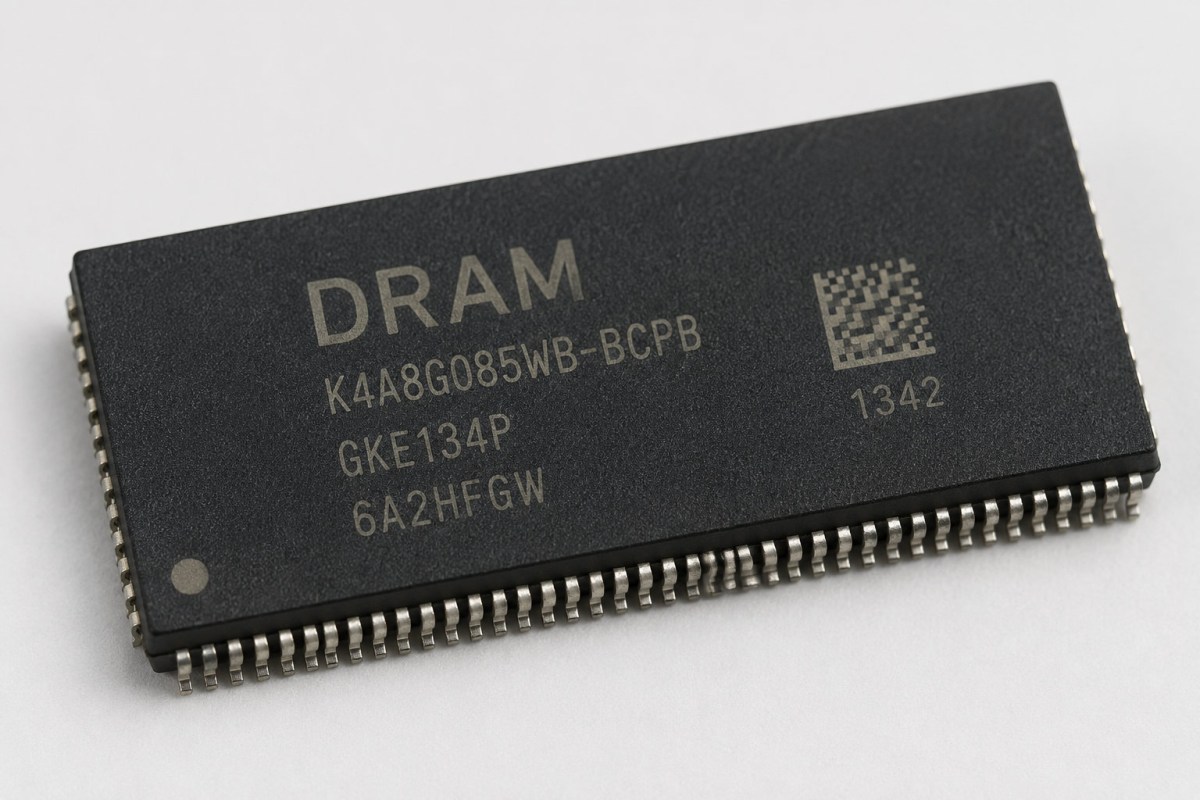
By limiting the use of these chips to the domestic Chinese market, Apple might be hoping to insulate itself from criticism while keeping its production lines moving. It is a balancing act that highlights just how desperate major manufacturers are to source memory right now. The rapid expansion of AI data centers has created a massive “RAM crunch,” as these facilities consume a huge chunk of the global supply from traditional, non-Chinese manufacturers.
This isn’t exactly new territory for Cupertino, either. Apple has been quietly evaluating YMTC’s NAND chips for several years, dating back to 2022. It is clear the company has been monitoring the Chinese memory market for a long time, waiting for the right moment to diversify its suppliers. Whether this strategy will appease regulators or spark a fresh round of diplomatic friction remains to be seen, but it’s a clear sign that the global chip wars are far from over.
About The Author