Insider claims that OxygenOS and Realme UI will be merged into ColorOS
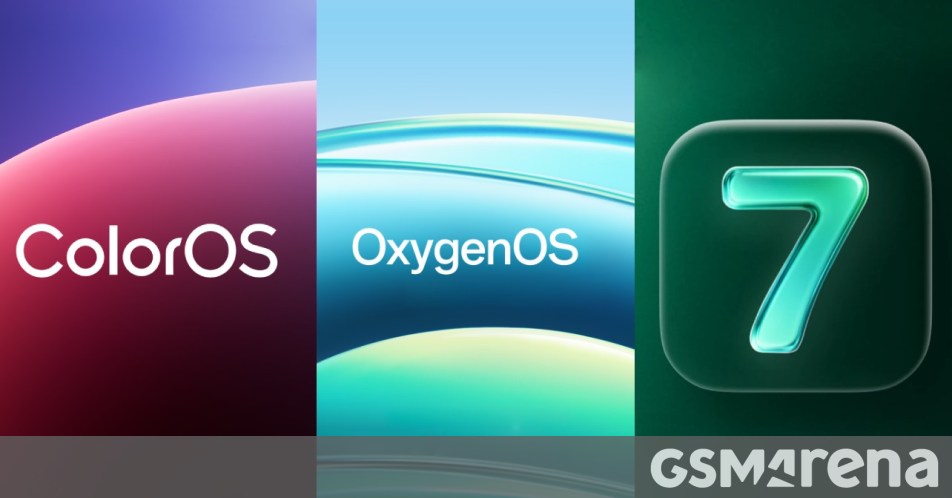
The End of an Era: OnePlus and Realme May Soon Merge into ColorOS
Back in 2021, Pete Lau dropped the bombshell that OxygenOS and ColorOS would eventually merge, signaling the end of OnePlus’s distinct software identity. Now, fresh reports from industry insiders suggest the company is taking that vision to its logical, if controversial, conclusion: incorporating Realme UI into the fold as well.
By consolidating OxygenOS, Realme UI, and ColorOS under one roof, the parent conglomerate is clearly aiming to slash research and development costs. But this isn’t just about software; it’s part of a much larger, global consolidation strategy.
A Changing Global Landscape
The signs of this shift have been popping up for months. OnePlus Germany has been nudging customers toward Oppo hardware, and stock shortages across the UK and other regions suggest a quiet retreat. If these rumors hold true, the future for OnePlus will be heavily concentrated in India and China. Even in these core territories, the separation is thinning—Oppo is already handling after-sales support for OnePlus users in India.
Meanwhile, Realme appears to be pivoting, reportedly planning to pull back from the Chinese market to focus exclusively on overseas expansion. While there has been chatter about a full-scale merger between OnePlus and Realme, it seems likely that for most consumers, the brands will simply become two sides of the same coin, with their overlap largely confined to the Indian market.
What About the US Market?
This leaves a massive question mark over the US, a market already dominated by Apple, Samsung, and Motorola. With OnePlus struggling to capture more than 1% market share and the Oppo brand name largely unrecognized—or remembered only for its legacy as a high-end Blu-ray player manufacturer—the path forward is murky. Will the company try to launch Oppo-branded devices, or are they stepping back from the region entirely?
Whatever the outcome, one thing is clear: the days of uniquely distinct, community-driven software experiences from these brands appear to be numbered as efficiency takes precedence over individuality.
About The Author