Sony’s New Lytia 910 Sensor Is a Game Changer for Mobile Photography

Sony Changes the Game with the Lytia 910: Its First LOFIC Image Sensor
Smartphone photography is about to get a serious upgrade. Sony just pulled the curtain back on the Lytia 910, its very first image sensor utilizing LOFIC—or Lateral Overflow Integration Capacitor—technology. If that sounds like a mouthful, don’t worry. Essentially, it’s a clever way to stop pixels from “blowing out” when you’re shooting in bright light. By tucking a capacitor right next to each photodiode, Sony has significantly boosted the full-well capacity, allowing the sensor to handle way more light than previous generations.
The numbers are impressive. Sony claims the Lytia 910 can achieve 100dB of dynamic range in a single exposure. That’s a huge deal because, until now, sensors like the Lytia 901 had to stitch together multiple frames to reach that level of performance.
Say Goodbye to Ghosting and Motion Blur
The Lytia 910 uses something called Triple Conversion Gain (TCG) HDR. Instead of snapping multiple shots at different exposures—which often leads to ghostly motion artifacts if your subject is moving—it takes one exposure and reads it three times at low, mid, and high gain. The result? A single, clean, high-dynamic-range image without the typical lag or motion blur. This is a game-changer for HDR video as well, enabling smooth 4K 60fps captures that remain stable even in tricky lighting.
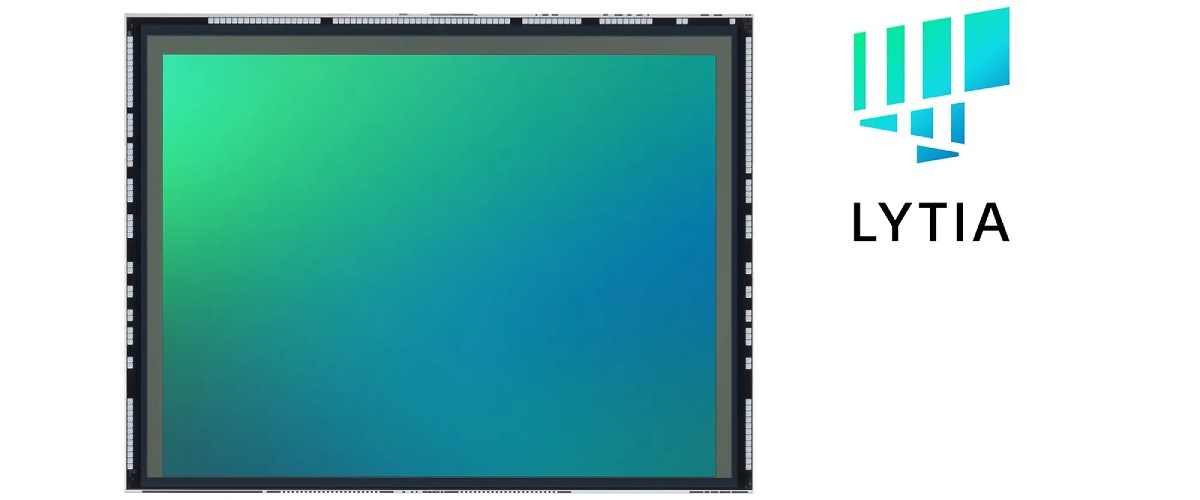
Low-light performance hasn’t been ignored, either. The sensor includes Ultra High Conversion Gain circuits that kick in when the sun goes down, slashing random noise by about 30% compared to earlier models. Specs-wise, it’s a 50MP, 1/1.28” sensor using a Quad Bayer filter with 1.22µm pixels—a solid foundation for a flagship camera.
When Can You Get It?
Mass production kicks off this summer, which lines things up perfectly for a Q4 release in new high-end smartphones. While Sony is just now joining the party, LOFIC isn’t entirely new to the market. We’ve already seen implementations from OmniVision, such as the OV50K in the Honor Magic6 Ultimate and the Light Fusion 1050L in the Xiaomi 17 Ultra.
The rumor mill is already spinning, with whispers that this exact Sony sensor might find its way into the upcoming vivo X500 Pro Max. Plus, with Samsung reportedly working on their own LOFIC tech for the Galaxy S27 Ultra, it’s clear that this is the direction the mobile industry is headed. The competition is heating up, and we’re here for it.
About The Author