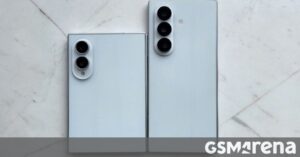
Galaxy Z Fold8 Wide vs. Ultra: Samsung’s Secret Weapon for Durable Foldable Glass
The Quest for the Perfect Crease: Samsung’s Bold Move with the Galaxy Z Fold8
If you’ve ever used a foldable phone, you know the “crease” is the elephant in the room. It’s that slight dip in the middle of the screen that you try to ignore but always feel under your thumb. Well, if the latest leaks are anything to go by, Samsung is about to get very experimental with how they handle this issue on the upcoming Galaxy Z Fold8 series.
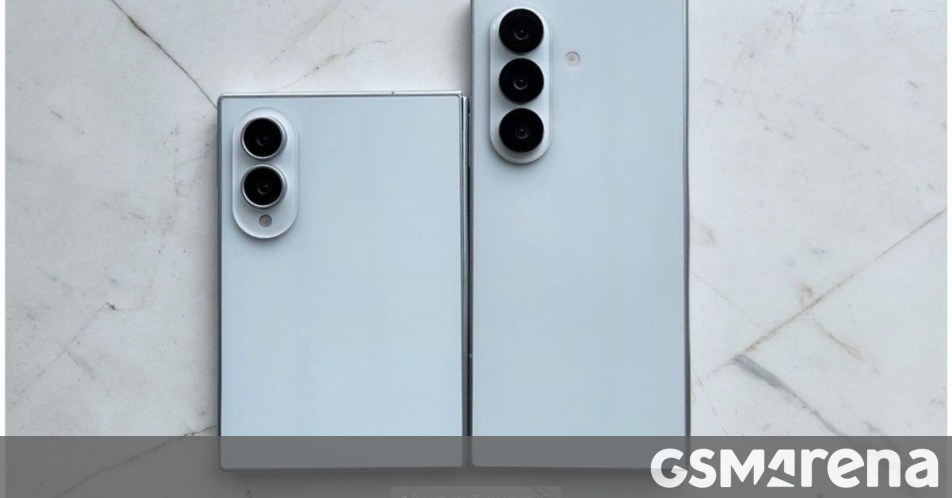
Word on the street is that Samsung plans to use two different types of Ultra-Thin Glass (UTG) for its next generation of foldables. This isn’t just a minor tweak; it’s a strategic split between the standard Galaxy Z Fold8 (wide) and the more premium Galaxy Z Fold8 Ultra. Both devices, alongside the Galaxy Z Flip8, are expected to make their big debut this July.
Wait, What Exactly is UTG?
For the uninitiated, Ultra-Thin Glass is the flexible layer that sits on top of the AMOLED panel. It’s the magic material that allows a screen to fold like paper while still feeling like actual glass. Its job is twofold: keep the screen from shattering when dropped and—most importantly—keep that dreaded crease as invisible as possible.
The Thickness Dilemma: 60μm vs. 45μm
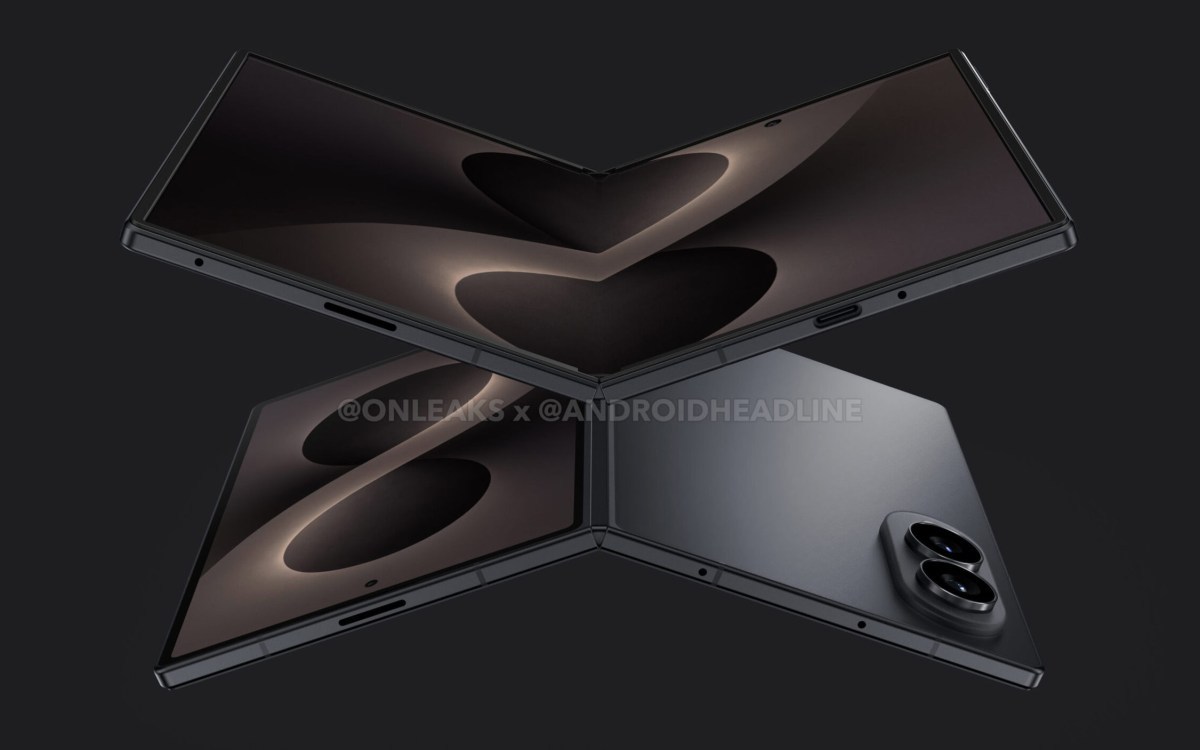
According to recent reports, the Galaxy Z Fold8 (wide) is set to feature a 60μm-thick UTG layer. For context, that’s significantly thicker than what we’ve seen in previous models. Why go thicker? Simple: a thicker sheet of glass is more rigid, meaning it doesn’t sink into the hinge gap as easily. This should result in a much smoother, flatter display that looks more like a traditional tablet and less like a folded piece of plastic.
On the flip side, the Galaxy Z Fold8 Ultra is rumored to stick with a thinner 45μm UTG layer, the same thickness currently found on the Galaxy Z Fold7. This might seem counterintuitive—shouldn’t the ‘Ultra’ model get the ‘better’ glass?
The Trade-off: Aesthetics vs. Durability
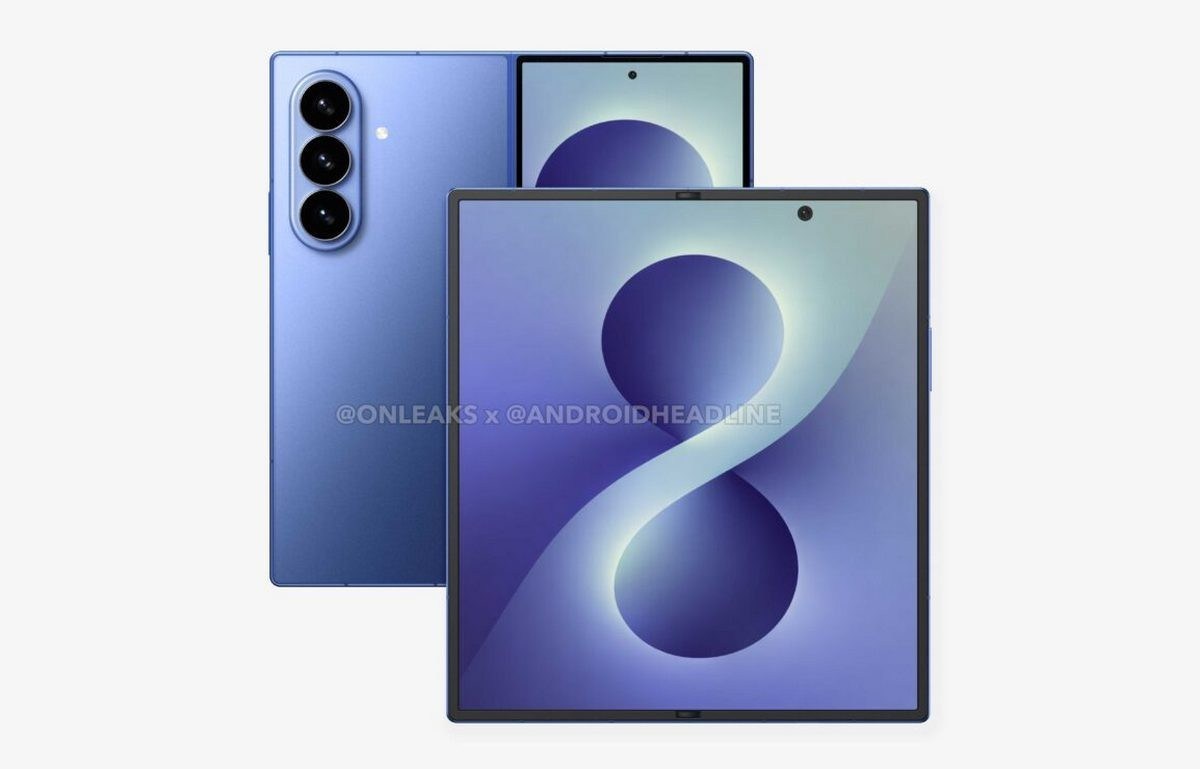
In the world of engineering, there is no such thing as a free lunch. While the thicker 60μm glass on the Fold8 (wide) will likely hide the crease better, it comes with risks. Thicker glass is naturally less flexible. Every time you fold the phone, you’re putting more stress on those glass molecules. There’s a concern that a thicker layer might be more prone to fatigue or cracking over thousands of folds compared to its thinner, more agile counterpart.
Samsung seems to be using the Fold8 (wide) as a bit of a testbed. If this thicker glass holds up in the real world without cracking under pressure, the company reportedly plans to bring the technology to the Ultra’s successor in 2027. For now, it looks like early adopters will have to choose between the sleekest possible screen and the tried-and-tested durability of thinner glass.
Keep an eye out for the official reveal this summer—it’s going to be fascinating to see these two displays side-by-side.
About The Author