Xiaomi 17T vs. 17T Pro
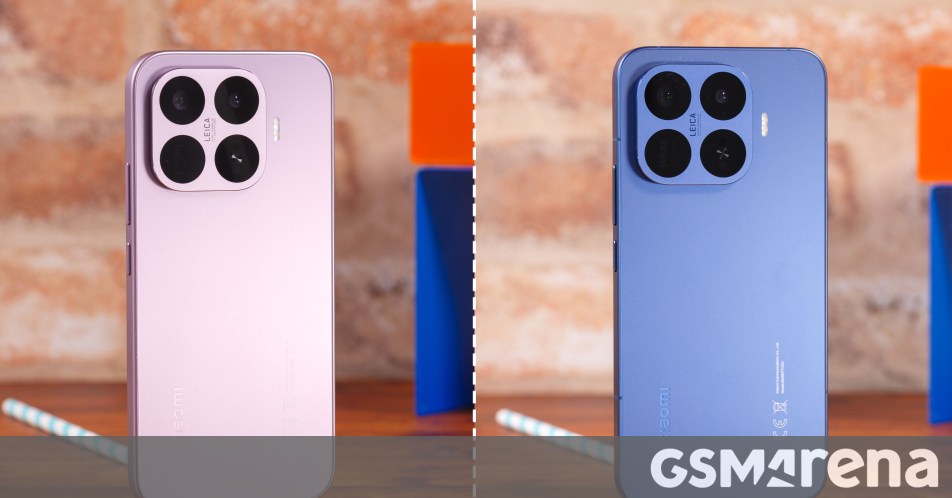
Xiaomi 17T vs. Xiaomi 17T Pro: Is the ‘Pro’ Upgrade Actually Worth the Extra Cash?
Eight months after the 15T series made waves, Xiaomi has returned with the 17T lineup. As always, the big question on everyone’s mind is whether the “Pro” label justifies the significantly higher price tag. With a current price gap of around €150, you might be wondering if you should spring for the top-tier model or if the standard Xiaomi 17T is secretly the better deal.
While the Pro model brings a beefier battery, wireless charging, and a monster chipset to the table, the vanilla 17T isn’t exactly a slouch. Let’s break down the nuances to see which of these devices deserves a spot in your pocket.
Size and Build: Compact Comfort vs. Pro Heft
In previous years, Xiaomi often gave the standard and Pro models identical footprints. Not this time. The 17T is noticeably more compact than its Pro sibling. It’s shorter, narrower, and lighter, making it a much better fit for anyone who tired of giant, two-handed smartphones.
In terms of build quality, both phones share a premium aesthetic with IP68 water and dust resistance and Gorilla Glass 7i protection. However, the Pro earns its name with a sturdy aluminum frame, while the standard 17T opts for plastic. While the plastic feels high-quality, the Pro definitely has that extra bit of metallic rigidity.
Display: The Refresh Rate Myth
The Pro model features a slightly larger screen, but the actual viewing experience is nearly identical across both devices. Both panels are vibrant, 12-bit AMOLEDs with support for Dolby Vision and HDR10+. They get plenty bright enough to combat direct sunlight.
The 17T Pro boasts a 144Hz refresh rate compared to the 17T’s 120Hz. On paper, it looks like a win for the Pro. In reality? You’ll rarely see that 144Hz in action. Most apps and games still cap at 120Hz, making the difference virtually imperceptible during daily use.
Battery Life and Charging Speed
This is where the Pro model really flexes. It houses a massive 7,000 mAh cell, outperforming the 17T’s 6,500 mAh unit in every possible scenario. Whether you’re scrolling social media or leaving the screen off, the Pro simply lasts longer.
When it comes to juicing back up, the gap widens further. The Pro supports 100W wired charging, which is significantly faster than the 17T’s 67W. Plus, the Pro includes 50W fast wireless charging—a feature completely missing from the standard 17T.
The Audio Twist: A Win for the Vanilla 17T
Here’s a surprise: the cheaper Xiaomi 17T actually has the better speaker setup. While neither phone will replace a dedicated Bluetooth speaker, the 17T offers livelier mids and clearer vocals. If you watch a lot of YouTube or take calls on speakerphone, the standard 17T provides a more pleasant acoustic experience.
Performance: Mid-Range Efficiency vs. Flagship Power
Both phones utilize MediaTek’s Dimensity silicon, but they are in different leagues. The 17T Pro uses the Dimensity 9500, a powerhouse that crushes benchmarks. The 17T uses the mid-range Dimensity 8500.
- Benchmarks: The Pro model is roughly 50% faster in CPU tasks and nearly 2x faster in gaming-heavy GPU scenarios.
- Storage: While both start at 256GB, only the Pro offers a massive 1TB internal storage option.
If you are a mobile gamer or want a phone that will stay fast for five years, the Pro is the obvious choice. However, for casual users, the 17T is perfectly snappy.
Camera Comparison: Telephoto Parity
The biggest news this year is that the 17T now shares the Pro’s 5x telephoto lens. Last year, the vanilla model was stuck with a 2x zoom; now, both phones can reach out and touch distant subjects with equal hardware.
The main sensors differ slightly. The Pro uses a larger Light Fusion 950 sensor, while the 17T uses the Light Fusion 800. In broad daylight, it’s a toss-up. Both take vibrant, detailed photos with plenty of “pop.” Interestingly, the 17T sometimes produces sharper results at 5x and 10x zoom than the Pro, likely due to less aggressive post-processing.
In low light, the Pro’s larger sensor gives it a slight edge in shadow detail, but it’s not the “night and day” difference you might expect. For most people, the 17T’s camera is more than enough.
The Decision: Which One Should You Buy?
The gap between these two models has narrowed significantly. The Xiaomi 17T is arguably the better value for the average person. You get a more pocketable design, better speakers, and a camera that often matches or beats the Pro in sharpness—all while saving €150.
However, if you’re a power user, the Pro is worth the investment. The massive battery, ultra-fast charging, and flagship-grade gaming performance are significant upgrades for those who demand the most from their tech. If you need 1TB of storage or wireless charging, the Pro is your only choice.
Choose the Xiaomi 17T if:
- You prefer a more compact, lightweight phone.
- You want better speaker quality for media.
- You want the best bang-for-your-buck camera performance.
- You’d rather keep that extra €150 in your pocket.
Choose the Xiaomi 17T Pro if:
- You need a massive battery that lasts all day and then some.
- You want the fastest possible charging (wired and wireless).
- You are a hardcore mobile gamer needing the Dimensity 9500 power.
- You want to record 8K video or 4K at 120fps.
About The Author