Pixel Watch 5 emerges at the bottom of the ocean
A Deep Sea Discovery: The Pixel Watch 5 Surface Early
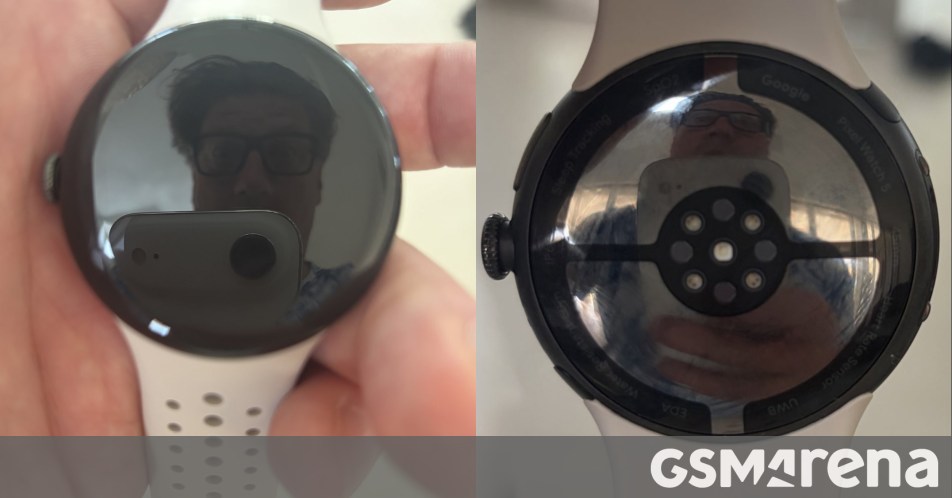
Google has a long and storied history of leaking devices in the most unexpected places, but this latest one might just take the trophy. While most leaks happen via blurry factory photos or premature retail listings, a Pixel Watch 5 prototype was recently discovered at the bottom of the Atlantic Ocean. This isn’t your typical tech scoop; it’s a genuine underwater find that gives us an early look at Google’s next-gen wearable.
The discovery was shared on X by Randy Pitchford, the co-founder of Gearbox Software (the studio behind the Borderlands series). While scuba diving near the Caribbean island of St. Martin, Pitchford spotted the device resting on the ocean floor. Surprisingly, despite being submerged in salt water, the watch still had enough reserve juice to display the time, though its main battery was understandably tapped out.
Familiar Looks, Rugged Endurance
At first glance, the Pixel Watch 5 doesn’t reinvent the wheel. From the front, it appears virtually identical to the current Pixel Watch 4, maintaining that signature domed glass aesthetic. However, the real story is written on the back of the case. The prototype features several etched markings that confirm its identity and key specifications.
- Durability: The IP68 rating is clearly visible, which explains how the internals survived a dip in the Caribbean.
- Sizing: A “45mm” engraving confirms that Google will stick with the larger size option introduced with the previous generation.
- Sensors: The backplate confirms a full suite of health tracking tech, including SpO2 (blood oxygen), skin temperature, a heart rate sensor, and a UWB (Ultra-Wideband) chip for precise location and connectivity.
A Potential Shift in Power
While the exterior looks like more of the same, the internal hardware might be where the real revolution happens. Rumors have been swirling that the Pixel Watch 5 will finally ditch the Qualcomm Snapdragon chips found in previous iterations in favor of a custom-built Tensor chipset. This move would bring the watch in line with Google’s Pixel phones, potentially allowing for better software optimization, longer battery life, and more advanced AI features integrated directly into Wear OS.
Seeing a prototype survive the pressure and salinity of the ocean is a testament to Google’s build quality. If the production model is half as resilient as this deep-sea explorer, fans of the series have a lot to look forward to when it eventually makes its official debut.
About The Author