What Is SEO (Search Engine Optimization)?
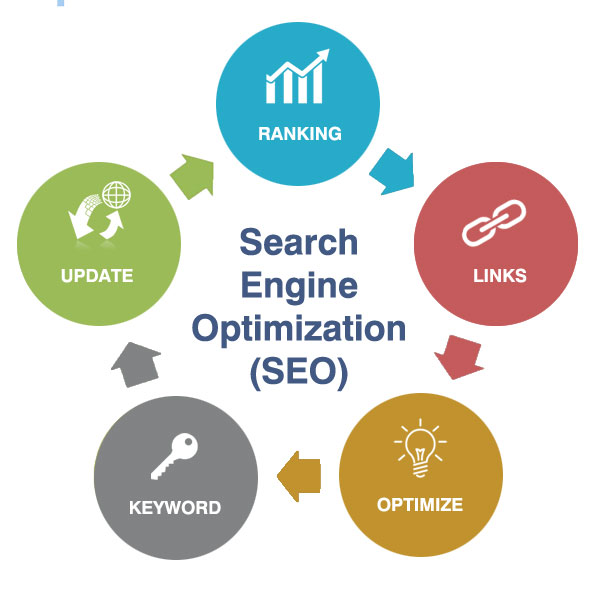
What Is SEO (Search Engine Optimization)?
In a world where billions of searches happen every day, getting your business in front of the right audience can be the difference between thriving and being invisible online. That’s where SEO—Search Engine Optimization—comes in.
SEO helps websites rank higher on search engines like Google and Bing, bringing in free, qualified traffic and building long-term digital visibility.
🔑 Key Takeaways
- SEO (Search Engine Optimization) is the process of helping websites rank higher in the organic (non-paid) search results for relevant keywords.
- SEO improves a site’s visibility through a combination of content quality, technical health, keyword alignment, and authority signals.
- It’s one of the most cost-effective sources of traffic and offers high long-term ROI.
- SEO is not a quick fix. It requires time, consistency, and a focus on quality—especially as Google’s algorithms continue to evolve.
- AI Overviews and generative models like ChatGPT have had a modest impact on search traffic—but the core SEO best practices still apply.
📘 What Exactly Is SEO?
SEO stands for Search Engine Optimization. It’s the process of optimizing your website to meet the standards search engines use to evaluate content.
These standards include:
- Content quality and relevance
- Backlinks and off-site authority
- Technical performance (e.g., page speed, mobile usability)
- Site architecture and internal linking
- User experience (UX)
When Google or Bing detects that your content is helpful, trustworthy, and well-structured, they’re more likely to show it to users who are searching for related topics.
📍 Where Does Your Site Appear in Search?
When a user enters a query, the Search Engine Results Page (SERP) is divided into three main areas:
- AI Overview (SGE) – New summaries generated by Google’s AI. Often appears in the very first position.
- Organic Listings – These are the traditional “blue links,” based on SEO signals.
- People Also Ask – A dynamic section of commonly asked follow-up questions.
Your goal with SEO is to show up in as many of these placements as possible.
🌐 Why Is SEO So Important?
Let’s look at the data:
- Google processes 13.7 billion searches per day
- Organic search drives 41% of all website traffic
- SEO has an average ROI of 813%, while PPC clocks in at 404%
This makes SEO one of the most powerful and cost-effective digital marketing channels available today.
⚙️ The 6 Core Steps of a Successful SEO Campaign
- Technical Site Audit – Identify and fix crawl errors, broken links, page speed issues, and mobile problems.
- Site Architecture Review – Ensure your site structure supports easy navigation and logical content flow.
- Keyword Research – Target high-value, relevant search terms with realistic ranking potential.
- Content & E-E-A-T – Focus on content that demonstrates Experience, Expertise, Authoritativeness, and Trustworthiness.
- Local SEO – Optimize for geo-specific keywords and Google Business Profile for local reach.
- Links, Citations & Mentions – Build your site’s authority through backlinks, press coverage, and consistent NAP (name, address, phone) citations.
⚠️ White Hat vs. Black Hat SEO
There are two approaches to SEO:
- White Hat SEO: Ethical, sustainable strategies that follow search engine guidelines.
- Black Hat SEO: Risky techniques designed to game the system (e.g., keyword stuffing, link farms). These can lead to penalties or deindexing.
Stick with white hat methods. SEO is a long game, and long-term gains require trust and quality.
🤖 How AI Affects SEO
Google’s AI Overviews (SGE) and tools like ChatGPT haven’t replaced search—but they’ve changed how results appear. These models summarize information and often reduce clicks.
However, our research shows:
- The #1 organic position still gets clicks—just fewer (CTR fell from 24.9% to 18.6%).
- Most search behavior hasn’t changed dramatically. Google remains the top search destination.
For now, optimizing for SEO and optimizing for AI results (aka Generative Engine Optimization) are nearly the same process:
- Provide accurate, useful, well-structured content.
- Use schema markup and clear headings.
- Demonstrate authority and credibility.
💡 SEO vs. PPC vs. SEM: What’s the Difference?
Let’s quickly clarify some confusing terms:
| Term | Stands For | What It Means |
| SEO | Search Engine Optimization | Free, organic traffic from search engines |
| PPC | Pay-Per-Click | Paid ads you run on Google or Bing |
| SEM | Search Engine Marketing | A broad term that includes both SEO and PPC |
SEO and PPC work best when combined—SEO builds long-term traffic, while PPC delivers quick wins. Together, they form a complete Search Engine Marketing (SEM) strategy.
✅ conclusion
SEO is more than just a buzzword—it’s a powerful strategy to grow your business online without paying for every single click. When done right, it drives steady, qualified traffic and builds brand authority that lasts.
🚀 Need help with SEO? At Vcogs Digital Media, we specialize in helping businesses like yours rank higher, attract more traffic, and grow online. Get your free SEO audit today.
About The Author





