Is Your iPhone Ready? Apple’s Advanced AI Features Only Work on These Devices
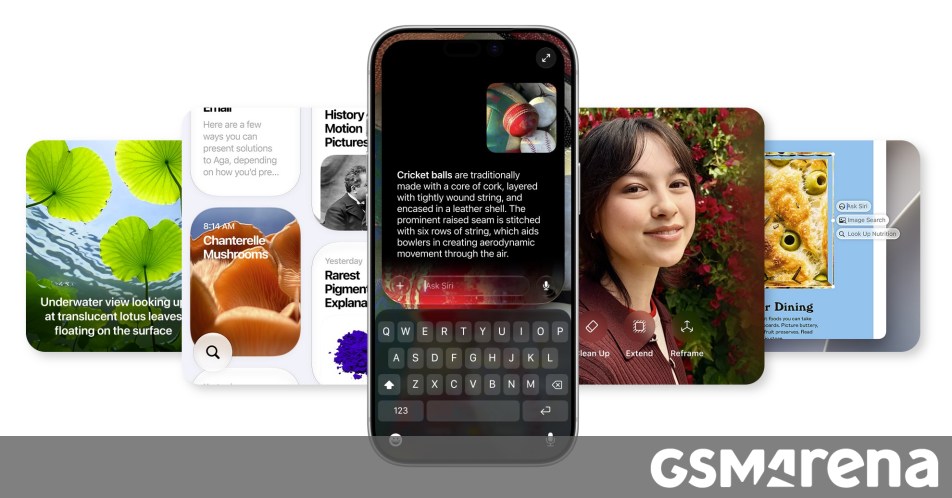
The Future of Siri is Here, but Your Current iPhone Might Not Be Ready
Apple recently pulled back the curtain on its next-generation Apple Intelligence at WWDC 2026, and while the features look incredible, there’s a specific hardware hurdle you’ll need to clear to use them. It turns out that Apple’s most sophisticated on-device AI model is a bit of a resource hog, and not every device in the lineup is invited to the party.
The 12GB RAM Requirement
According to Apple, the most powerful version of their on-device intelligence requires a minimum of 12GB of unified memory. This isn’t just about bragging rights; this memory overhead is what enables the next level of Siri AI, including much more expressive, natural-sounding voices and a vastly improved dictation engine that understands context better than ever before.
Which Devices Make the Cut?
If you’re planning an upgrade, you’ll want to pay close attention to the specs. On the smartphone front, the capabilities are exclusive to the iPhone 17 Pro, iPhone 17 Pro Max, and the all-new iPhone Air. Unfortunately, the standard iPhone 17—which ships with 8GB of RAM—won’t be able to run these high-end features.
The requirements extend across the rest of the ecosystem as well:
- iPads: You’ll need a model powered by the M4 chip or newer, paired with at least 12GB of RAM.
- Macs: Support starts with the M3 chip series, provided the machine has at least 12GB of memory.
- Vision Pro: The upcoming version powered by the M5 chip will also fully support these advanced intelligence features.
What’s Next?
These new Apple Intelligence and Siri features are set to arrive with the release of iOS 27, iPadOS 27, and macOS 27 Golden Gate later this year. While it might be frustrating to see hardware limitations so soon, it’s clear that Apple is betting big on high-performance local processing to keep your data private while making Siri actually useful for a change.
About The Author