Tata Tiago EV Price – Images, Colours & Reviews
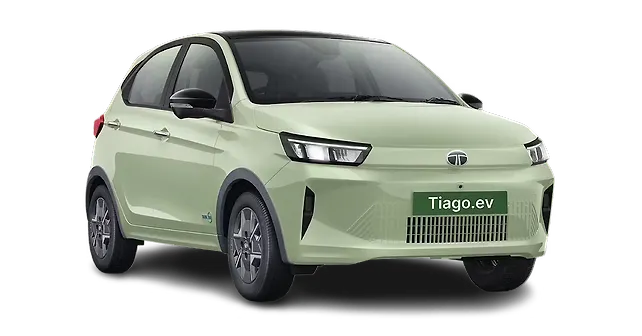
Tata Tiago EV Long-Term Review: 42,000 km of Real-World Electric Driving
After a full day of intense haggling at the dealership, I drove home my Tata Tiago.ev in April for an on-road price of ₹10.75 Lakhs. Fast forward one year and a staggering 42,000 kilometers later, and I’ve learned exactly what it’s like to live with a budget electric vehicle as a daily workhorse. Averaging 150 km a day is no small feat, and while the Tiago.ev has its perks, the journey hasn’t been without some serious speed bumps.
The Range Reality: Temperature Matters
When I first started out, I was hyper-focused on efficiency. During those first two months, I was easily hitting 240 km on a single charge with the AC running. But as the novelty wore off and my driving style became a bit more ‘spirited,’ those numbers started to shift. If you’re considering an EV, you need to know that range isn’t just about how you drive—it’s about the weather.
- Below 32°C: This is the sweet spot. With Cruise Control set at 50 kmph, I get about 220–240 km with AC and up to 285 km without it.
- Summer Heat (Above 32°C): Efficiency takes a hit. With the AC blasting, range drops to 190–210 km. If you can suffer through the heat without AC, you might claw back 250–270 km.
Comfort and Build Quality: The Compromise
Let’s be honest—the Tiago.ev is an entry-level car, and it feels like it in some areas. Driving 150 km daily has revealed that the seat ergonomics aren’t quite up to the task for long-distance commuting; your back will likely feel the miles. However, the bigger concern is the build quality. The sheet metal feels incredibly thin—so much so that even light pressure can cause the body to flex or dent. I had a minor graze with an Altroz; while the Altroz walked away with scratches that buffed out with thinner, my Tiago required a new fender, front grill, and hood, along with permanent damage to the AC system. It’s a fragile car that demands careful handling.
The Tata Service Headache
If there is one thing that tests your patience more than range anxiety, it’s Tata’s service network. My experience has been consistently frustrating. During my 5th service, I tracked my car sitting in the same dusty spot for three days despite claims that work was being done. To get anything done properly, I’ve had to escalate issues to Tata via email almost every single time.
On the flip side, the actual cost of maintenance is low, but be wary of service centers padding the bill with unnecessary add-ons to hit that ₹5,000 mark. For things like wheel alignment and balancing, I’ve given up on the dealership entirely and visit a trusted local shop every 5,000 km instead. At 42,000 km, my tires still have about 40% life left, which is a decent silver lining.
Charging at Home
I rely exclusively on a 3kW slow charger. Interestingly, I have a 7.2kW fast charger sitting in a box because the installation technician insisted it would only work on a 3-phase connection. Despite this, the slow charger has been reliable enough for my overnight needs, and I’ve never had to rely on public charging infrastructure.
The Verdict
The Tata Tiago.ev is a capable commuter if you have a predictable route and home charging. It’s light on the wallet when it comes to fuel costs, but you pay for it with fragile build quality and a service experience that feels like a part-time job. If you can handle the quirky service centers and the ‘delicate’ bodywork, it remains one of the most accessible ways to go electric in India today.
About The Author