The Huawei Mate 90 series will feature a 3nm-like Kirin chip
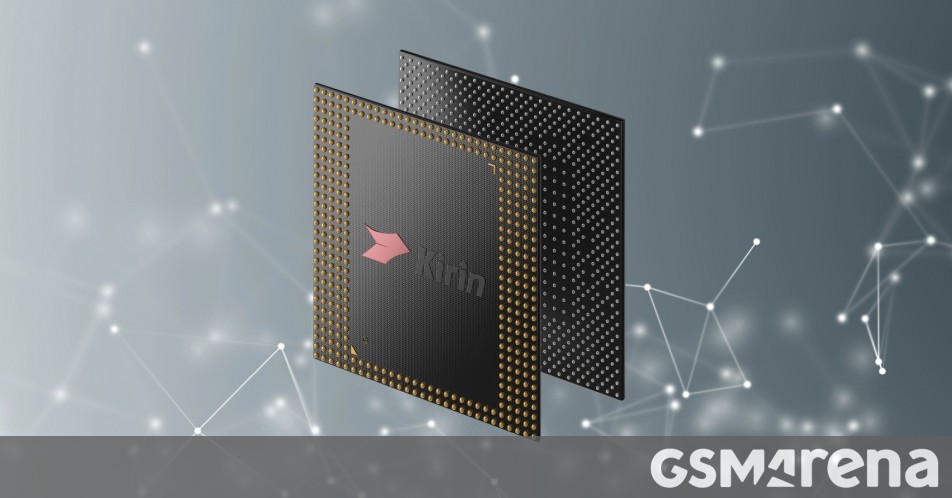
Huawei’s Mate 90 Might Just Rewrite the Smartphone Performance Rulebook
Huawei is back in the spotlight, and this time it’s not just about flashy hardware—it’s about a fundamental shift in how chips are built. During a recent keynote at the Phoenix Bay Area Finance Forum in Shenzhen, the company dropped some serious hints about the next-generation Kirin chipset slated to power the upcoming Huawei Mate 90 lineup.
This isn’t just another incremental upgrade. Following the reveal of their Tao Scaling Law and the innovative LogicFolding architecture, Huawei is aiming to bypass the traditional manufacturing roadblocks that have hampered their progress in recent years.
Performance That Rivals the Best
The buzzword surrounding this new silicon is “3nm-equivalent.” Interestingly, Huawei’s spokesperson was careful with the wording. They didn’t explicitly claim the chip is manufactured on a native 3nm node. Instead, they promised that thanks to the LogicFolding design, it will perform on the same level as the industry’s most advanced 3nm chips.
The numbers behind this claim are impressive, to say the least. By rethinking the internal structure of the chip, Huawei has managed to achieve some major milestones:
- Boost transistor density by a staggering 53.5%
- Increase overall performance by 41%
- Raise peak frequencies by 12.7%
Beyond raw speed, these optimizations are expected to significantly improve energy efficiency—a critical factor for a flagship device like the Mate 90. It’s a clever workaround that focuses on architectural efficiency rather than just the physical size of the transistors.
What to Expect This Fall
While the official name of this next-gen Kirin powerhouse is still under wraps, the industry is watching closely. If Huawei can truly match 3nm performance through architectural innovation, it could change the narrative for the entire semiconductor industry. We won’t have to wait long to see the results in action. The Huawei Mate 90 series is expected to debut this fall, giving us a first-hand look at whether this new architecture lives up to the hype.
About The Author